
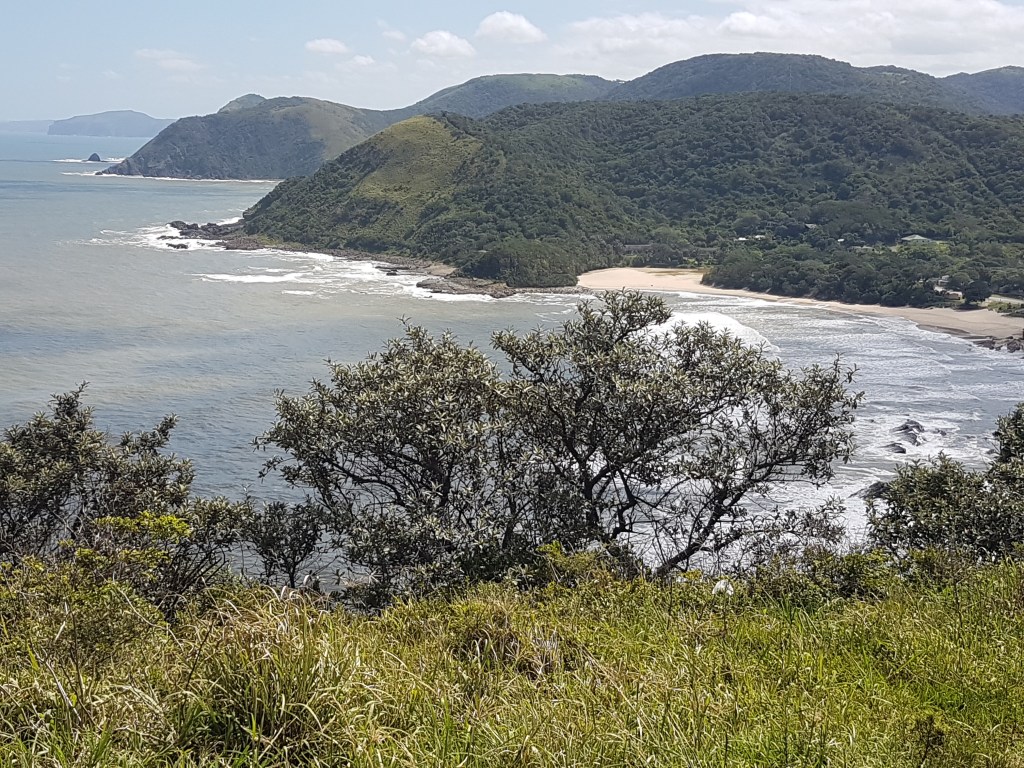
The Xhosa people of the Eastern Cape believe in the Abantu bomlambo or uMamlambo, the People of the River, and these can be many things. Depending on the area, they are regarded as a type of mermaid, as when they live at Hole in the Wall near Coffee Bay, sometimes as a river denizen, but most often as a well-meaning river spirit.

If a person drowns in a river, and the body is not found, little mourning, if any is done, as the disappearance will be thought of the person having been taken by the River People, and is now happily living with them. If the body is found, the death will be treated as a sad accident.
Sangoma / Qhira initiates have been known to disappear in a river, and then return weeks or months afterwards, and will not say where they have been. These Qhira are thought of as special, as they are thought to have undergone training in the abode of the River People.

The uMamlambo is sometimes described as having a human form, with long hair and their skin can be any shade. They have ‘soft’ hands and feet (possibly fins), and cannot walk upright, so they walk on all fours. Their abode is in deep, but dry caves under the water, and their lifestyle is reportedly much like that of humans, that they are female and male, and have children. They also have dogs and livestock. The livestock comes out of the river at night to graze, sometimes scaling sheer cliff-like riverbanks.
UMamlambo can also be in partnership with those wishing to do harm. The famed medicine man of Pondoland and Kokstad, Khotso, first earned fame because he set ‘his’ Mamlambo at a farmer who he disagreed with. Much like the Nkanyamba of Kwa Zulu-Natal, it created a massive windstorm that caused much damage. After that show of power, no-one messed with Khotso.

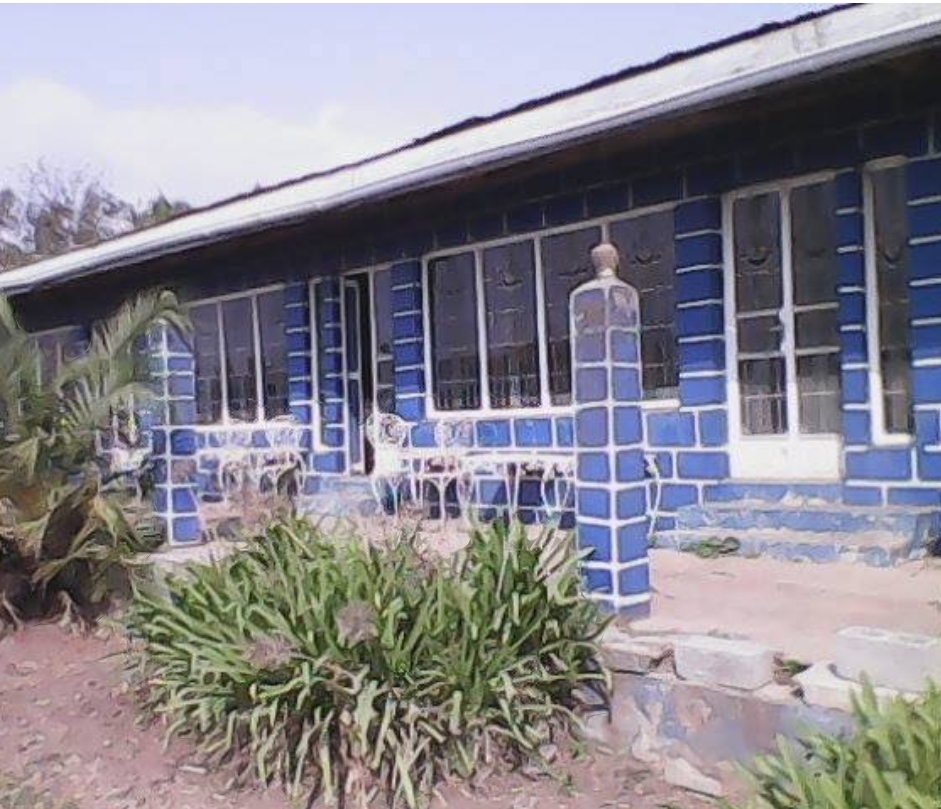
Left: Khotso showing off his money. Right: One of Khotso’s famous blue houses in Lusikisiki, Transkei.
The worst case of a badly behaved Mamlambo in recent times, was that of the one that lived in the Mzintlava River near Mt Ayliff in Transkei. In early 1997, a ‘half horse, half fish brain sucking monster’ was reported to be killing people in the area. Nine people, including children had been killed, and the matter was taken so seriously that it was tabled at an Eastern Cape legislative meeting. A hunt by armed conservation officers was organized, and they hunted up and down the stretch of the Mzintlava River where the killings / drownings/ disappearances had taken place. The monster did not show itself, and no trophy was taken home by the conservation officers, but the Mamlambo has not behaved as badly since then.
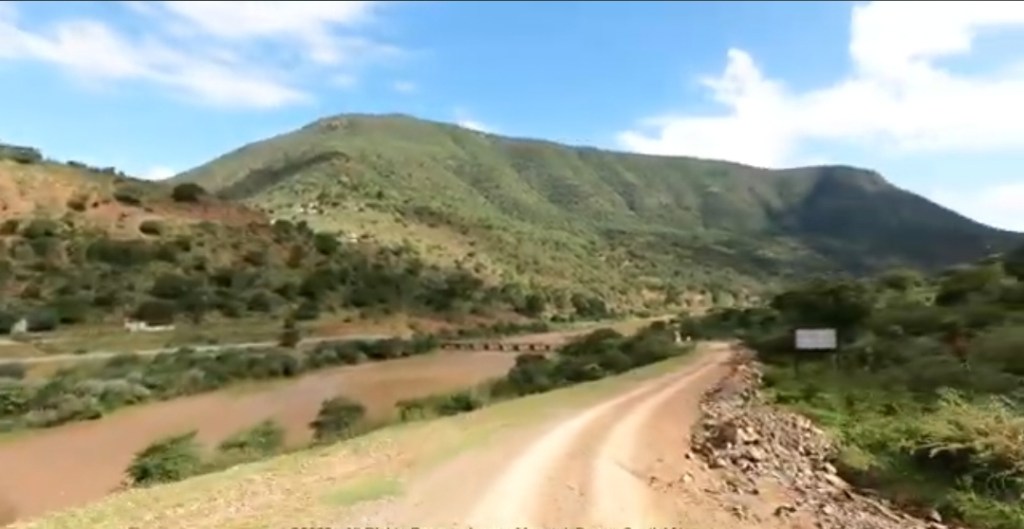
The scientific and logical reasoning for the tragedies is that summer rains swell the river, causing accidents and drownings. The brain sucking part of the story is probably that crabs would have eaten the softer facial parts of a drowned person first. A large python seen crossing the river could have accounted for the sighting of the monster, or a huge eel could have started the monster story, and like most unexplained happenings, the stories grow into amazing myths and legends. The strangest thing about this legend, is that Kokstad, where Khotso lived, is next to the upper reaches of the Mzintlava River. Did Khotso’s monster move south to Mount Ayliff for a while? Where is it today?


 Traveling again? Galavanting with Kathryn Costello