
Kwa Zulu-Natal (KZN), South Africa, is often beset with vicious storms, which cause flooding and devastation in their wake. These storms, according to the people of KZN, are not weather problems caused by high and low pressure systems, but by a monstrous snake-like creature, which is sometimes depicted as a cobra with its hood fully extended over seven snake faces. Other descriptions are that it is a horse headed, serpent like creature, with a finned mane and huge fore flippers.
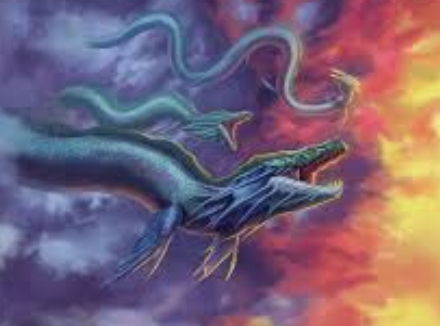
Nkanyamba, as this monster is called, is said to live in the pool at the bottom of the Howick Falls, near the town of Howick, in the KZN Midlands. In Zulu, the name of its home is Noggaza, which means ‘The place of the tall one’. Sangoma (traditional healers) are said to be the only ones that can go there safely.

When the monster gets angry, it takes its frustrations out on the people of Kwa Zulu-Natal, in the form of massive wind storms and rains which cause flooding. The December 2023 storm around Ladysmith was said to be an Nkanyamba unleashing its fury over the area. An Nkanyamba was also blamed for causing the devastating destruction of Tongaat in June 2024.


At least once a year, he also flies about in search of a mate. It is said that he mistakes shiny corrugated roofs for water, and charges down on them looking for a female in those ‘waters’. Naturally, finding no water, and no mate there, he destroys the source of his anger, which is why corrugated roofs fly off in storms.


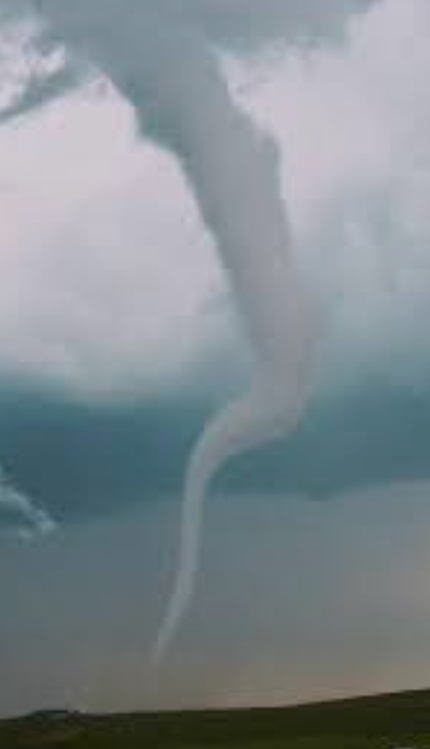

The massive tornado which struck the Tongaat area on 3 June 2024. A tornado definitely is snake-like as it moves across the sky.
Nkanyamba has similarities to the seven head Hindu God, Naga, who is the God of power, water and fertility. Naga appears in mythology throughout Asia.

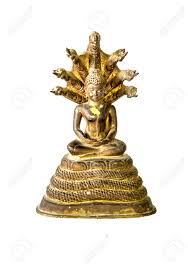
Cambodian and Indian Seven headed snakes in mythology.
The origin of the myth of Nkanyamba is unknown, but it does have similarities to other African water monster myths. Being similar to the Hindu God, there is a possibility that the story of Nkanyamba started after many Indians arrived in in Natal as indentured labourers in the 1800s.


In their shacks, the Indians would also have had to endure the terrible storms, and as with most uneducated people, an explanation has to be found for the terrible happenings. Blaming a water monster is easy, and it is believable to the uneducated.


Above: The flimsy shacks of the indentured Indian labourers would easily have been destroyed by a flying water monster.
Sacrifices to appease Nkanyamba are not made, but then, in its path of mass destruction, many lives are often lost, which may appease him for a while.

One unusual feature of the storms that are supposedly unleashed by Nkanyambas is that they are very localized.

An Nkanyamba is also said to inhabit Jozini Dam. The story goes that it got there by very modern means; a man from Zululand had visited Scotland, and came back with a ‘monster’ (a relative of the Loch Ness monster maybe? Tee hee, just asking!) in a bottle, which he threw out of the airplane he was travelling in, as they flew over the Jozini Dam.
As most monsters have some sort of factual and/ or scientific reason for their existence, could the ‘monster’ in the bottle have been a sort of reptile preserved in formaldehyde, and the bottle dropped and broke, somewhere near the Jozini Dam, obviously releasing the contents there in, and giving rise to another version of an old myth?
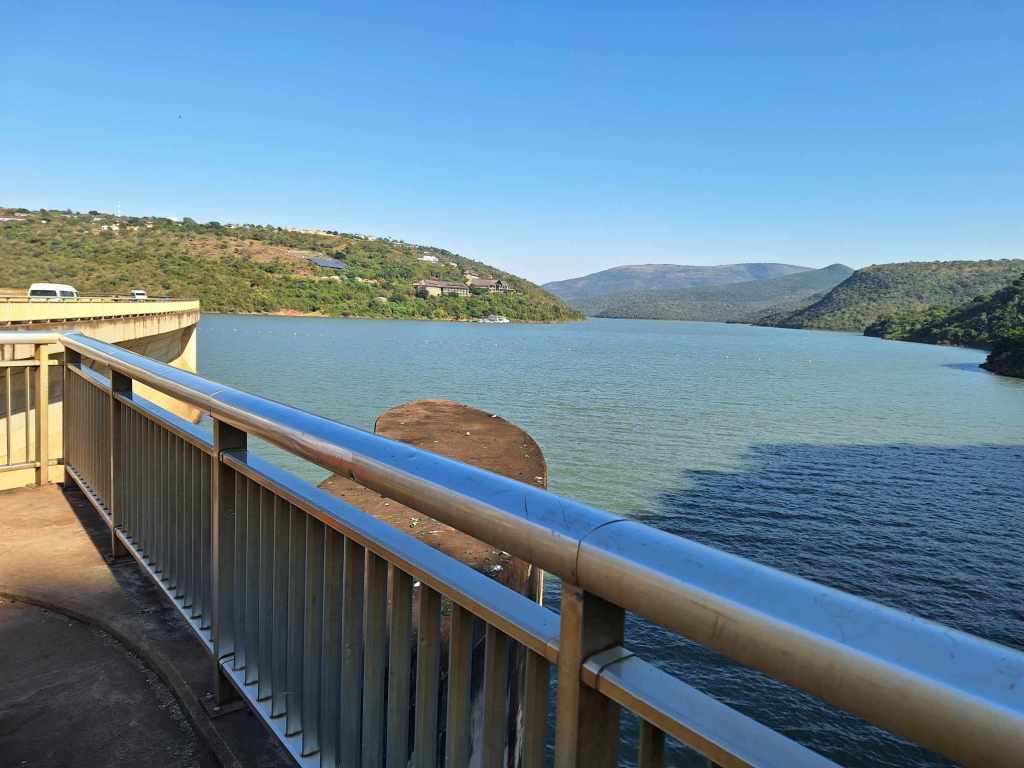
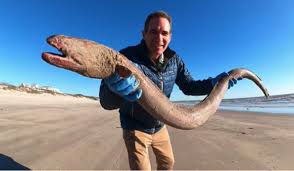
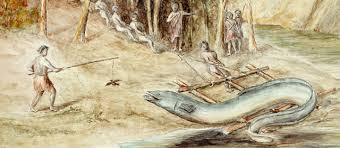
Can a large eel be what started the Nkanyamba myth myth?
Maybe it was a large eel which started the myth? The African Longfin Eel, which is found both at Howick Falls and at Jozini Dam can grow very large, up to six feet / 1.5 metre in length, and can behave in an aggressive manner.
KZN has had far too many visits by Nkanyambas in recent years, I hope it now leaves KZN in peace to rebuild what was destroyed and damaged.


 Traveling again? Galavanting with Kathryn Costello