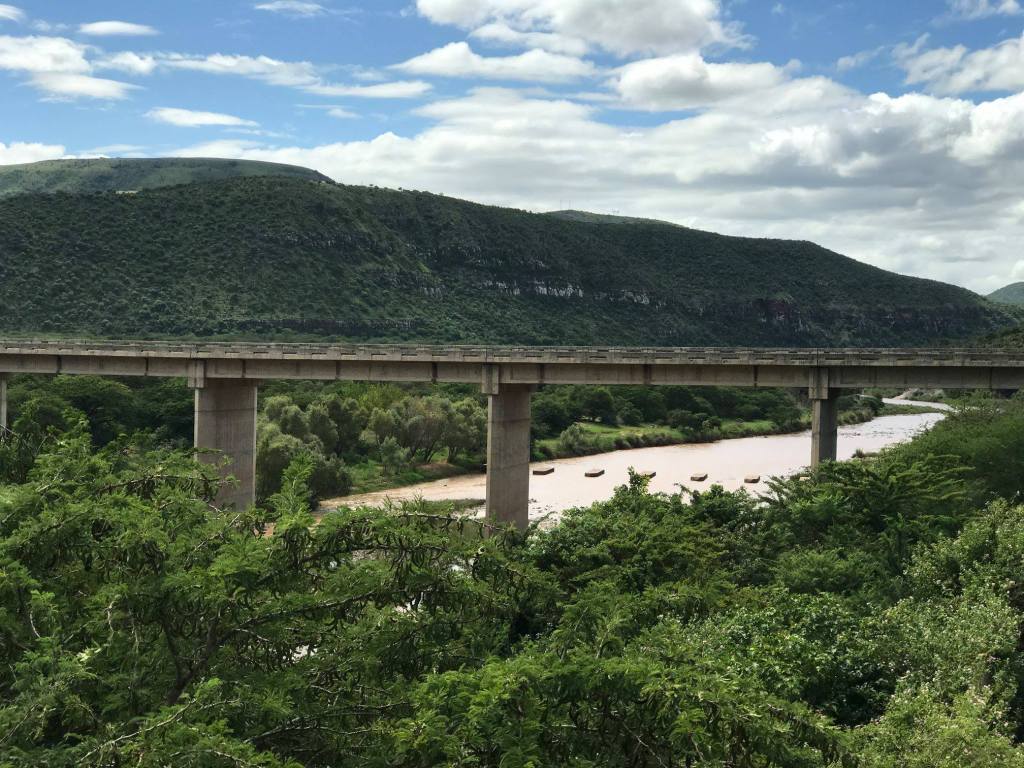
The bridges at Kei Bridge.

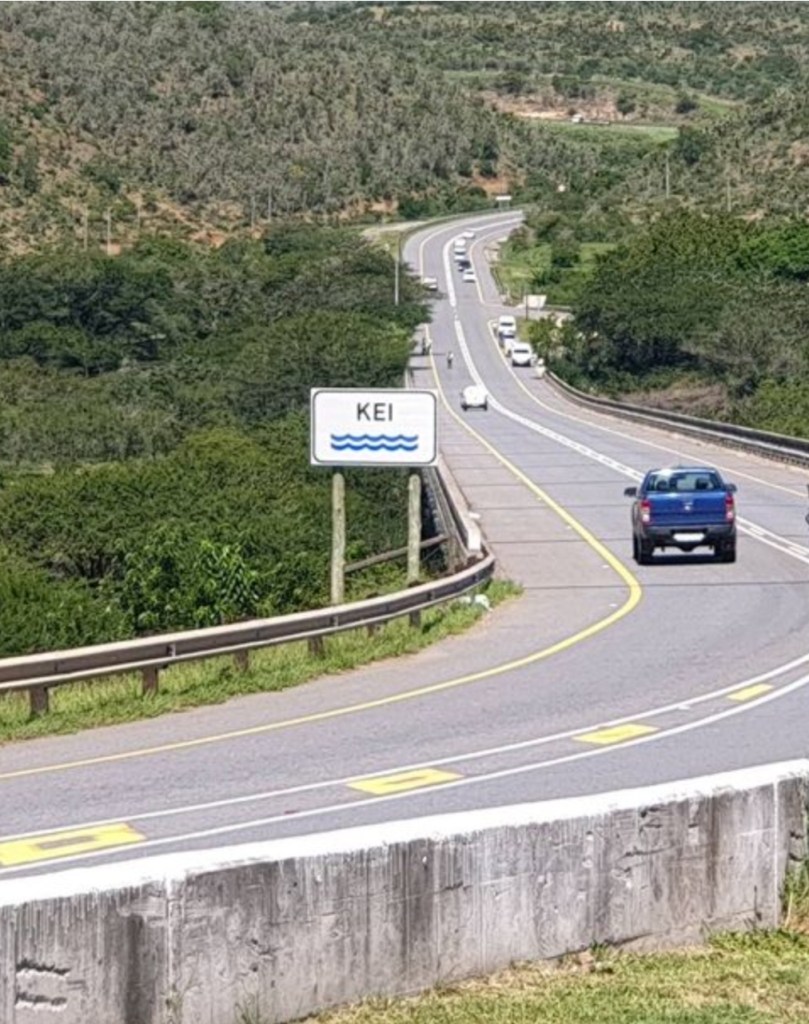
Kei Bridge is what locals call what was the border between Transkei and the rest of the Eastern Cape, on the N2 to East London.
It is little more than a police station with some staff houses, and buildings on either side of the river, which were once the border posts of South Africa and the Republic of Transkei, a quasi independent Bantustan republic created by the old pre 1994 South African Republic in 1976. The border post buildings are now a petrol station and roadhouse, complete with fast food joints and shops on the Transkei side, and police offices on the South African side.
The Transkei has existed since the 1800s, and although it is more or less the same area, it should never be referred to as the ‘former’ Transkei. Only the Republic of Transkei is ‘former’. And gone. After elections in 1994, the area was reincorporated with the new Republic of South Africa. The people of Transkei, mostly of the Xhosa people, proudly refer to themselves as Transkeians.
.

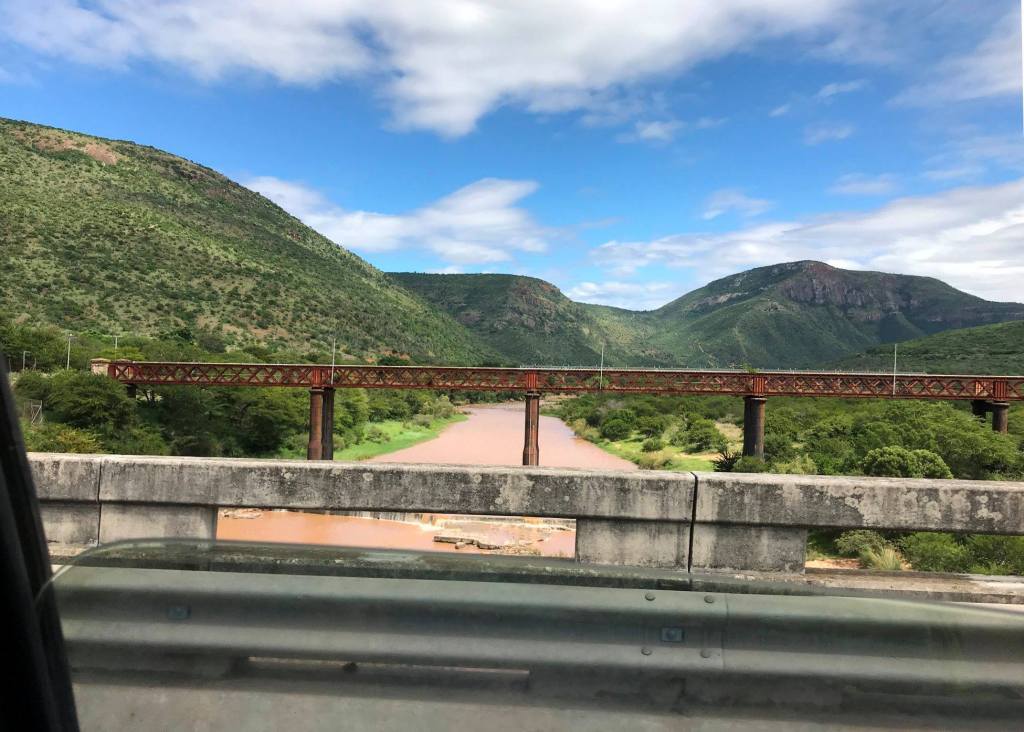
There are three bridges, and the remains of the pylons of the first, original bridge, which washed away in a flood. The oldest standing bridge, The Great Kei Road Bridge was completed in 1879, and was designed to take ox wagons. It was made in England using mostly cast iron.
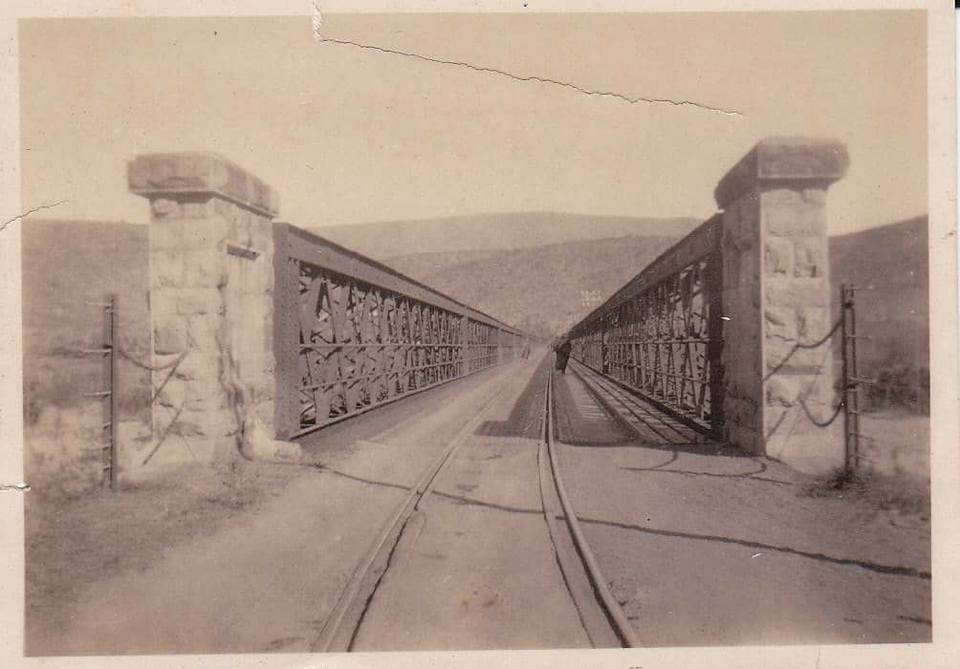
When the original rail bridge was washed away in 1917, the road bridge was adapted to also take trains, and this duality of a bridge being a road and a rail bridge existed for 32 years until 1949, when the rail bridge was replaced.
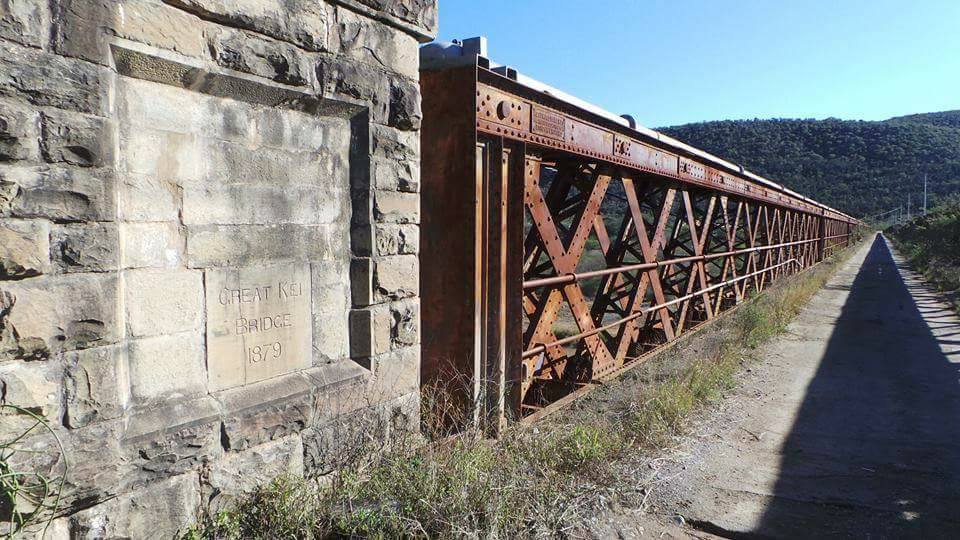
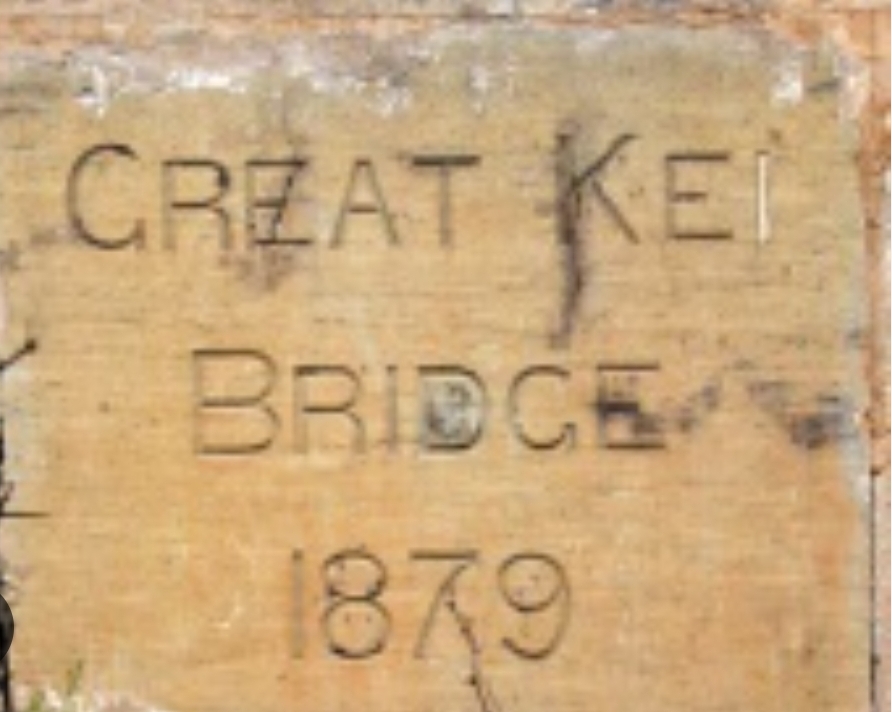
The name plaque is in the photo below:

where they still stand.
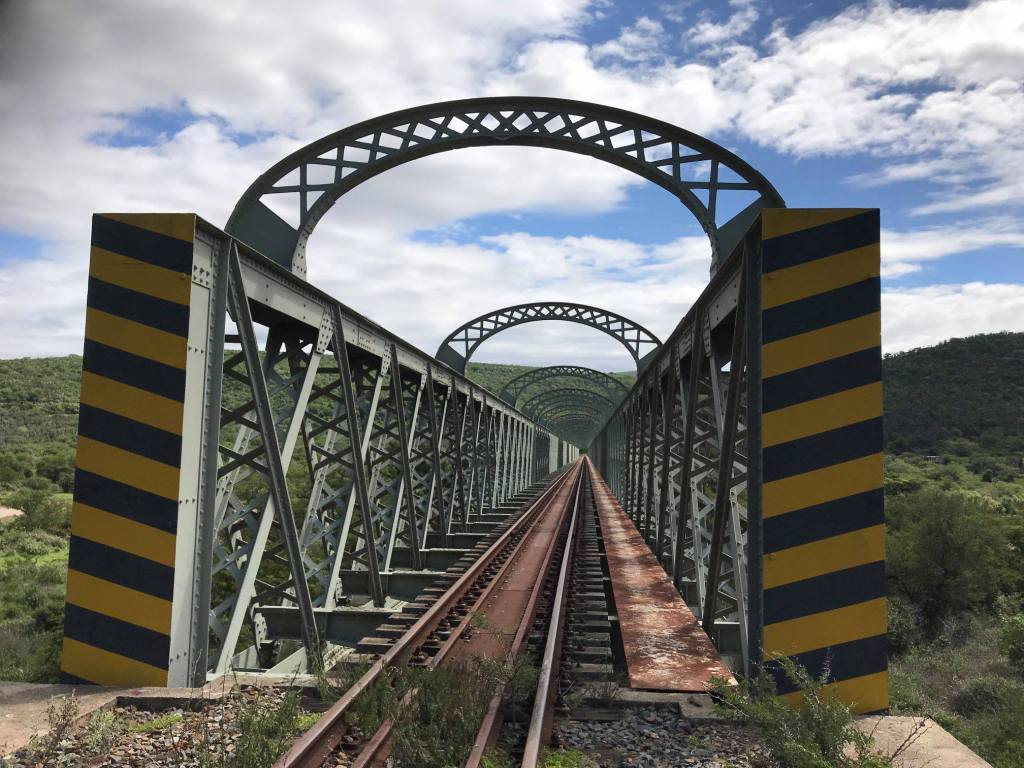
The second bridge which had served as the rail bridge over the Vaal River at Fourteen Streams, near Warrenton in the Northern Cape, was dismantled and erected over the Kei River. This historic bridge at Fourteen Streams saw skirmishes during the Anglo Boer War and for a while, it became a Boer stronghold, when the English stationed there, withdrew to Kimberly. Later in 1900, the Boers retreated, and it again became part of the Cape Colony. The name is derived from the area where it crosses the Vaal – here the riverbed widens, and small islands are surrounded by what looks like many streams.
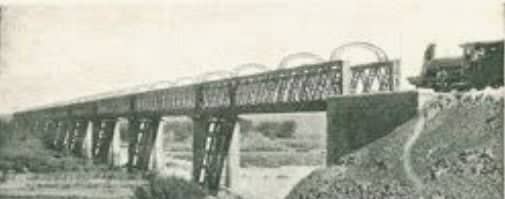
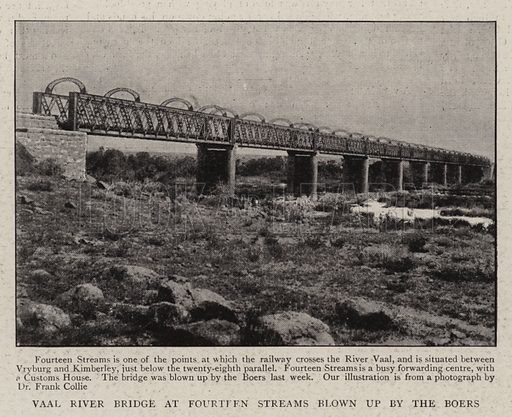

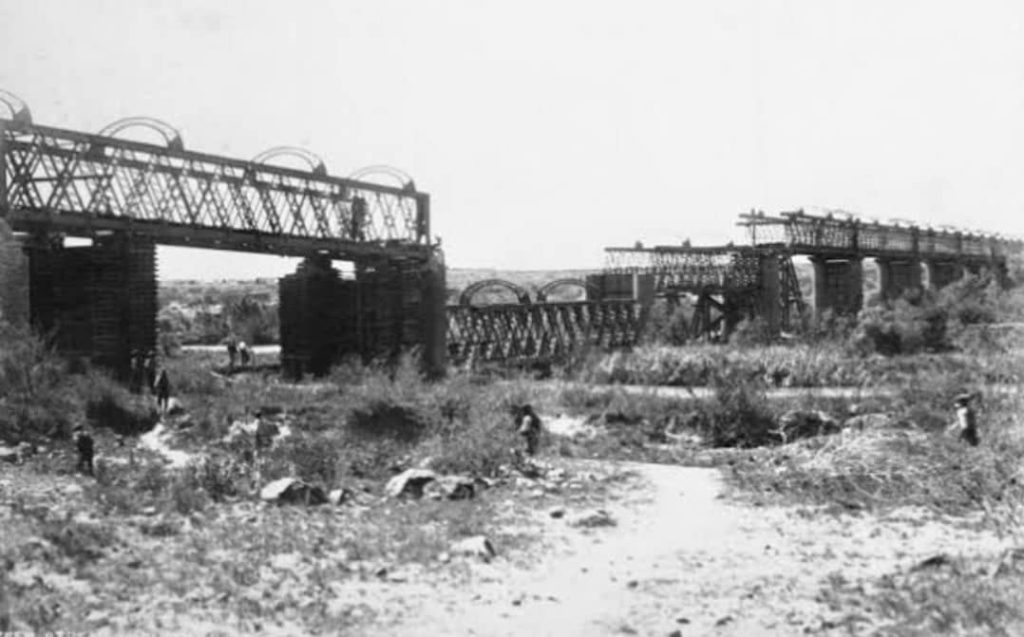
The Fourteen Streams bridge before and after being blown up.
The third bridge is the wide, modern bridge which was completed in the 1970s, where on either end, were the South African and Transkei Border posts when Transkei was an independent republic.
The story of how the Kei got its name, is that when Gando was expelled (‘wakwaywa’ in Xhosa, and his people were therefore known as the amaKwayi), from the Xhosa Kingdom, he settled next to a river. He later became a Sangoma, and was initiated (’eNciba’ in Xhosa). The river was named in his honour. The river later took the name of his people, the umKwayi, but as the white settlers couldn’t pronounce this, they shortened it to Kei. Contrary to popular belief, Transkei is not an apartheid name, it is simply a version of crossing (trans) the umKwayi River.
Research Sources: ass encyclopaedic entries, T McKay, W Martinson.

 Traveling again? Galavanting with Kathryn Costello
insightful thank you .
LikeLike