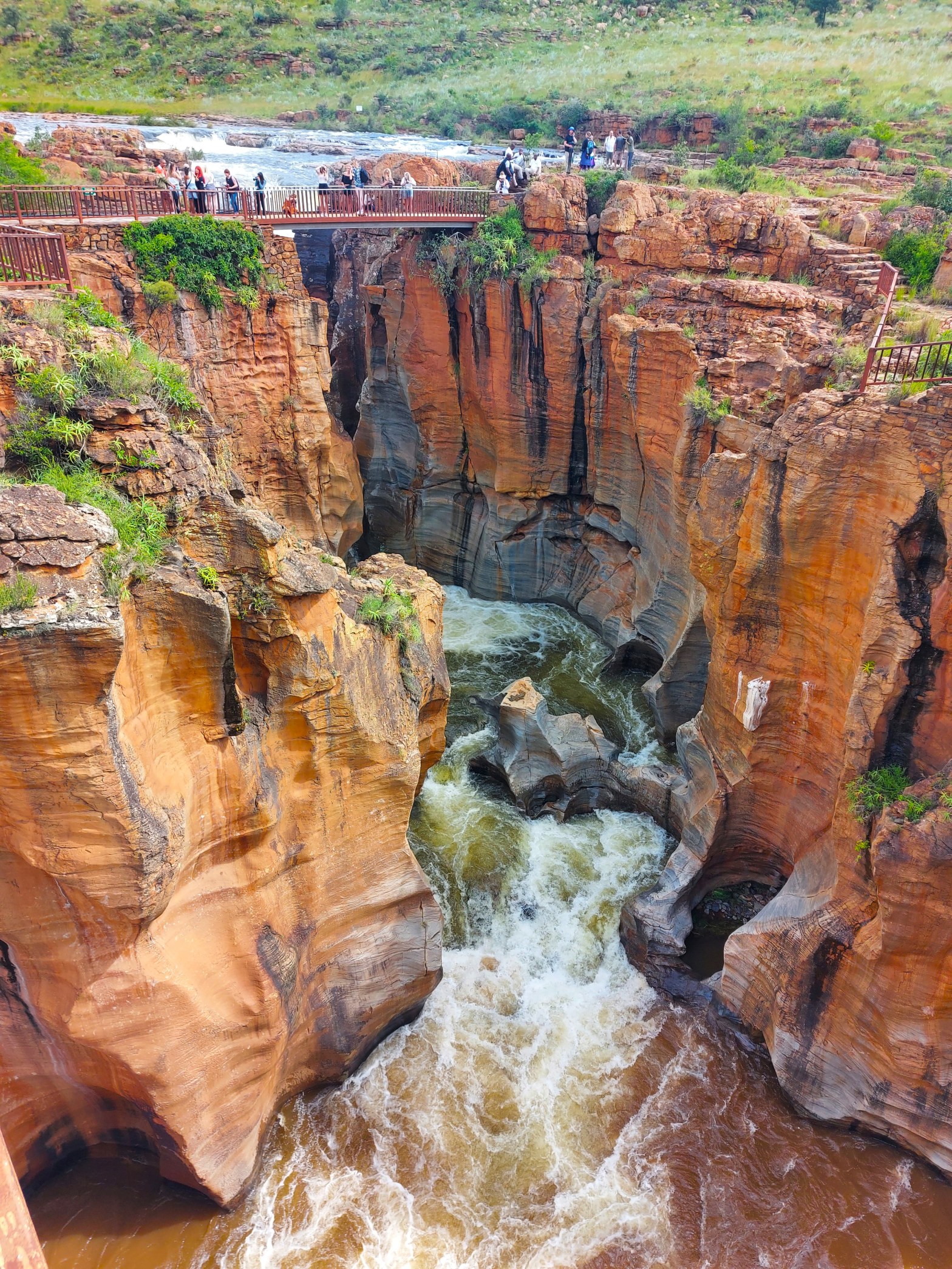

Mpumalanga is well known for being an ‘overdose of prettiness’ – it doesn’t matter where you go, there is always a sight to marvel at.
Bourke’s Luck Potholes is no different. This amazing river gorge which is part of the Blyde River Canyon opening is nothing short of awe inspiring.
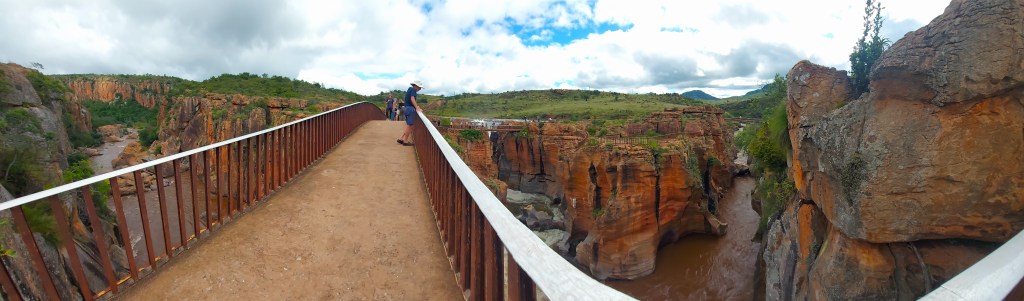
The gorge itself, where the Treur River joins the Blyde River, is a roiling, rushing mass of water. It is crisscrossed with foot bridges, so that the tourist can enjoy the views from every angle. Rainbows glint over spray as it hits the multi-coloured rock face.
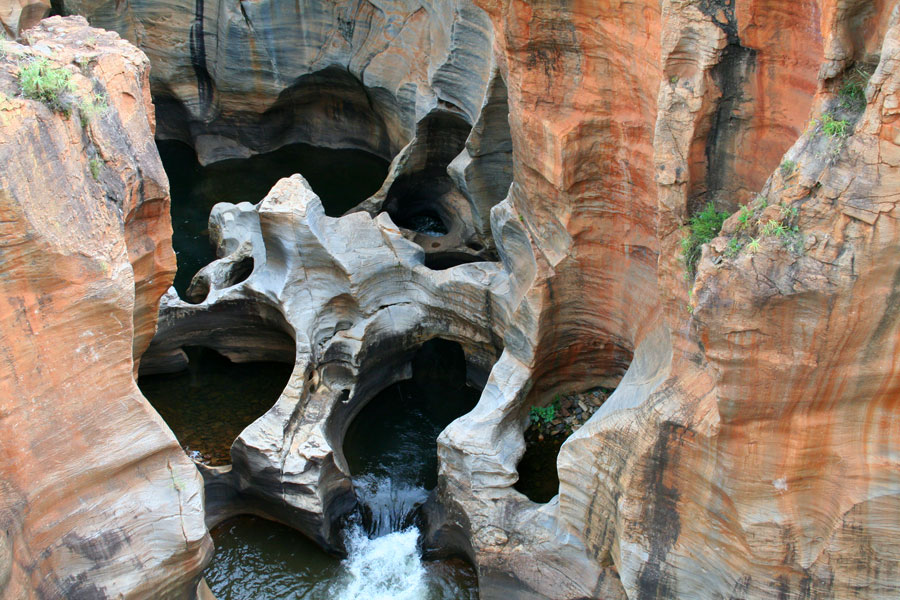
Geographically the ‘Pot Holes’ were formed by erosion over thousands of years.
I have been to Bourke’s Luck several times, and the last time I was lucky enough to be there after heavy rains. The river was a brown liquid seething mass – rushing, pushing, jostling, to get out the narrow confines of the gorge.
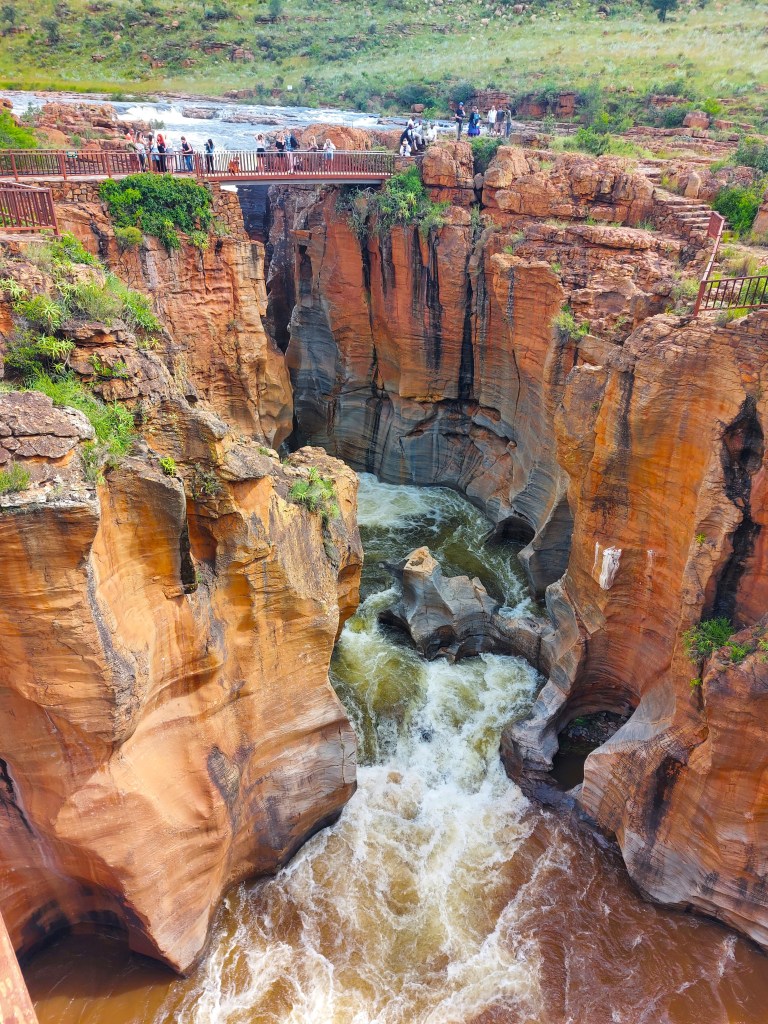
Mpumalanga Parks Board rangers stood guard, watching that no stupid tourist was daft enough to venture off the foot paths, and possibly slip and fall into what in some places were cauldrons. Losing paying tourists is such a shlep, and so much paperwork has to be done afterwards, so it’s best to watch them, and tell them to behave themselves. The signs are not there for decoration!

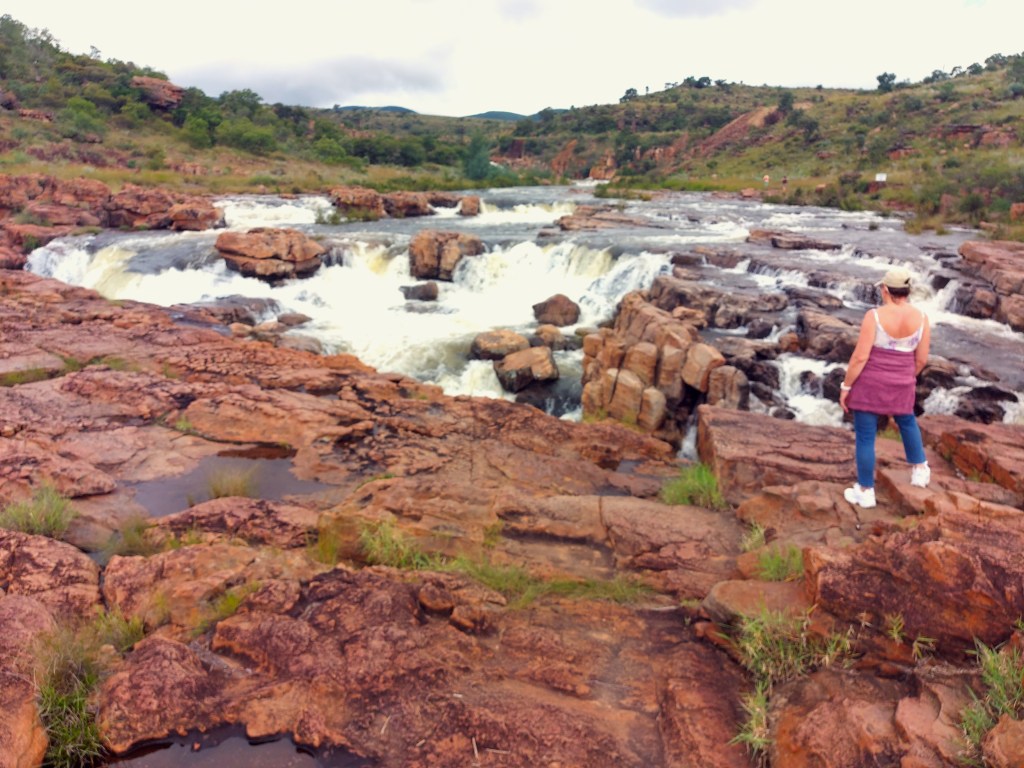
I was a typically busy day, with full tourist busses, and many private vehicles in the car park. International tourists and South African tourists all wandered down the path, towards the bridges. An elderly lady sat herself down a rock, and said to the younger men with her: “I can’t do this.”. A ranger heard her, and left in the direction of the office. A few minutes later he was back, with a wheelchair for her, which she was most happy to be pushed around in. As most of the paths and bridges are wheelchair friendly, everyone can get to see and feel the power of the Treur River as it hurtles to join the Blyde River.

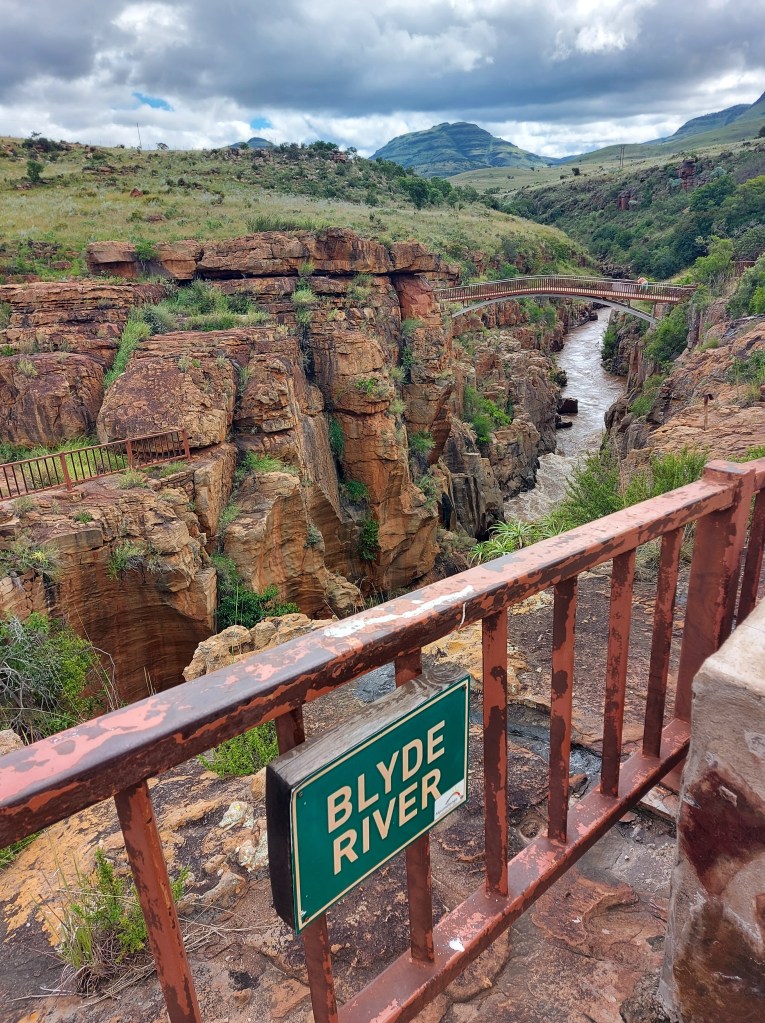
The ‘pot holes’ are named for Thomas Bourke who owned the farm where the gorge is, and where he worked a small, but profitable gold mine.
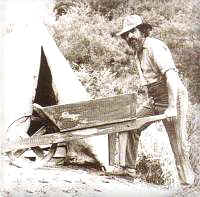

A typical gold miner and mining camp in South Africa in the 1800s
Before Bourke took ownership of the land, a small miracle happened at the confluence of the two rivers. In Dutch, the language of the Boers, Blyde (pronounced blayder) means happy, and Treur means sorrow.
Hendrik Potgieter, leader of the Voortrekkers, in 1844, set off east to make contact with the Portuguese in Delagoa Bay, now Maputo in Mozambique. He left a party of men and women at a river, but didn’t return on the expected date, nor for several days after that date.
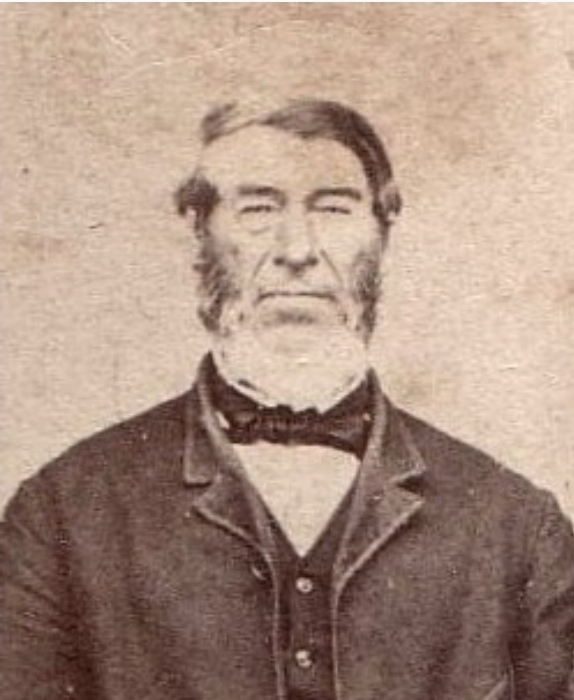
Presuming that he was dead, the group struck camp, and headed west, having named the river, the River of Sorrows (Treur Rivier). A few days later, while crossing another river, Potgieter and his men turned up, causing great joy, and that river was named the River of Joy (Blyde Rivier).
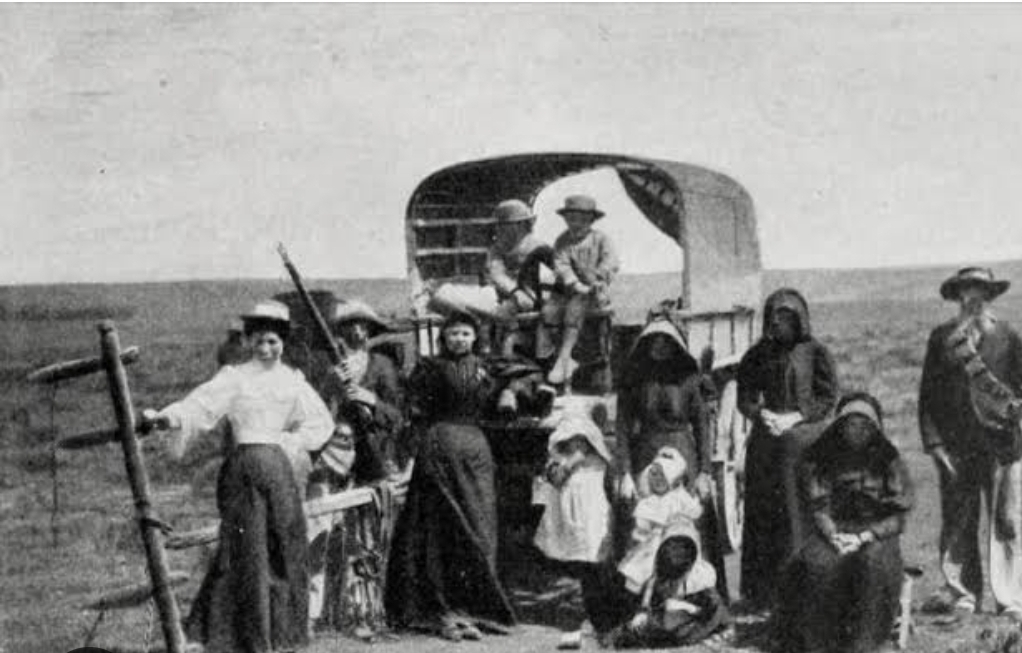
In this part of Mpumalanga, there is so much to see. Don’t miss the historic town of Pilgrim’s Rest, Graskop Gorge, and the viewpoint of the Blyde River Canyon.
More road tripping stories can be read on my Face Book page: Galavanting and Road Tripping with Kathryn Costello
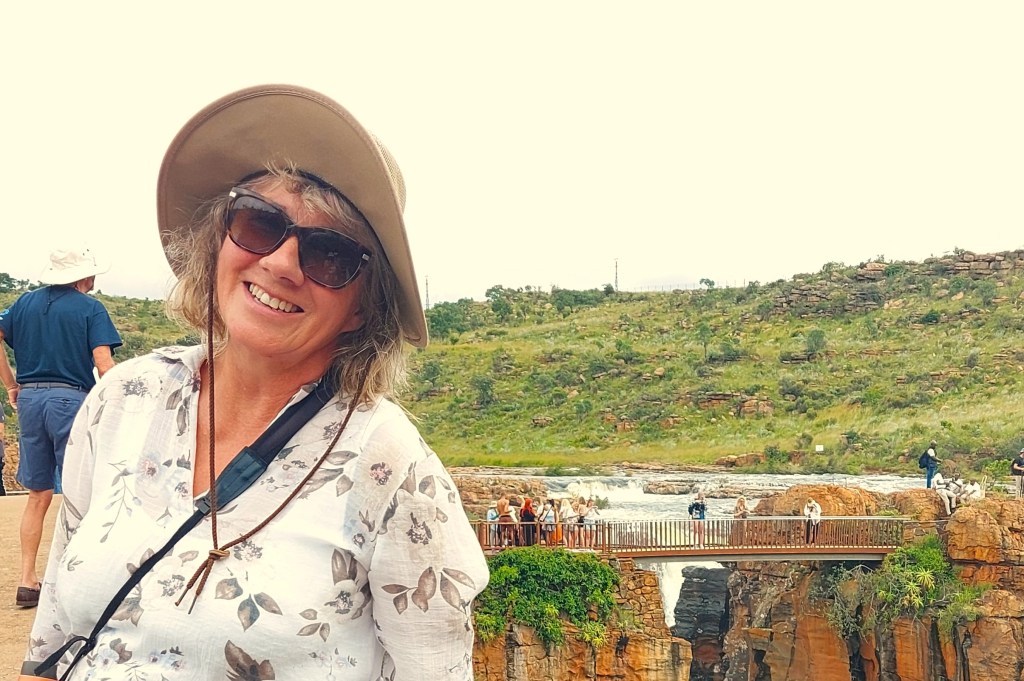

 Traveling again? Galavanting with Kathryn Costello
Most certainly one of our country’s finest geological features!
LikeLike
We have so many geographical wonders in South Africa!
LikeLiked by 1 person