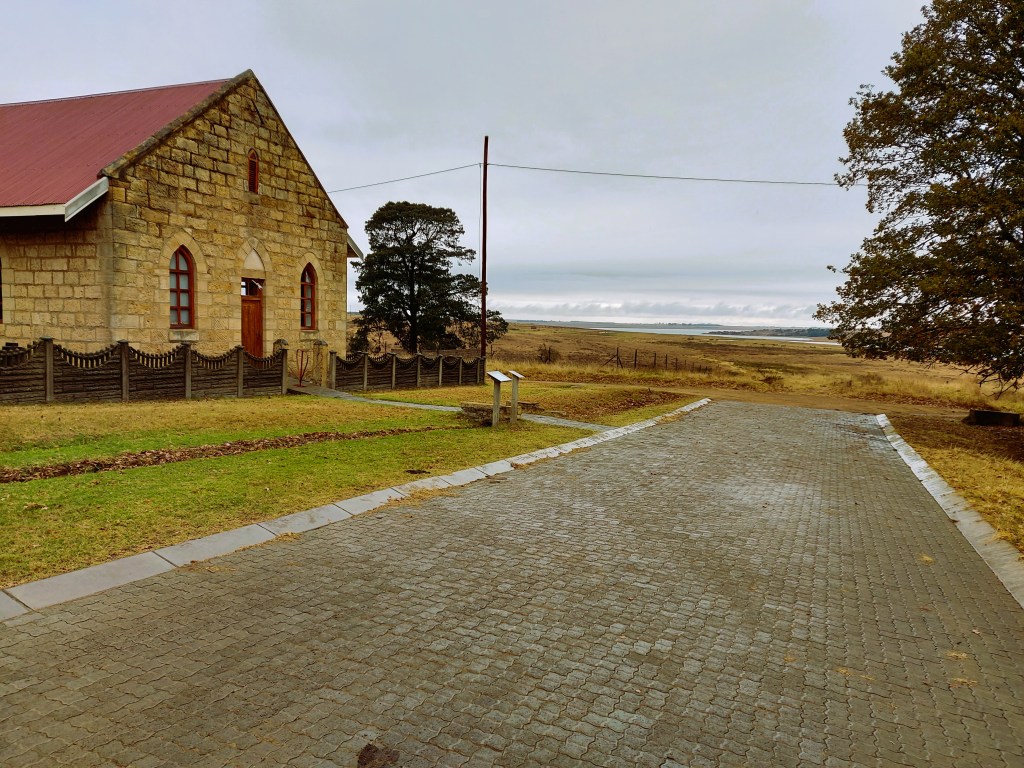
Chrissiesmeer or Lake Chrissie as it translates to in English, is one of South Africa’s few freshwater lakes.
It lies in the Mpumalanga Lake District, off the beaten track, and its existence is sadly hardly known to most South Africans.
Chrissiesmeer is the largest of the lakes, being 7km long, and 3km wide. The many other lakes in the area are much smaller, some being little more than shallow pans. Scientifically, Lake Chrissie, as it does not have an inlet or outlet, is a pan. Its water comes from rainwater seeping into the pan from the surrounding area. Evaporation and the use of water are its outlets. It is vegetation free, and unlike the reed pans in the area which never dry out, it dries up completely occasionally.
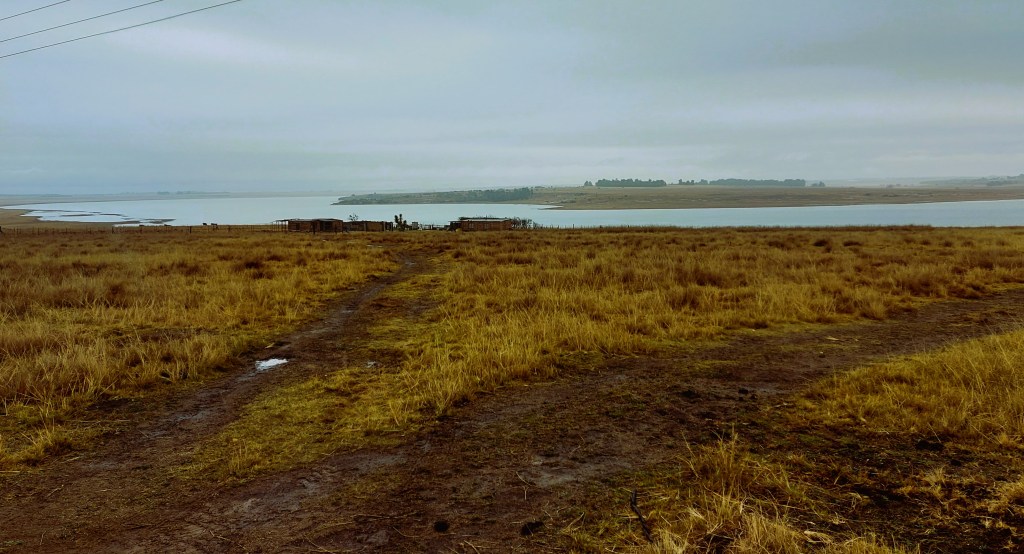
The historical village of Chrissiesmeer, at the north of the lake dates back to the 1860s, when a bunch of Scottish immigrants landed at Port Natal (now Durban) and moseyed their way up to the area. It’s a long story, which I won’t relate here. The short version is that the leader of the immigrants, one Mr McCorkingdale, parleyed with the leaders of the Zuid Afrikaansche Republiek Boer Republic, and a plan to develop the area was hatched. It was named New Scotland and was divided into three areas: Industria, Londinia and Roburnia (after the poet Robert Burns). The Groot Zeekoepan (Big Hippopotamus Lake), which was part of Industria, was renamed Chrissiesmeer for ZAR President Pretorius’ daughter Christina, fondly known as Chrissie.
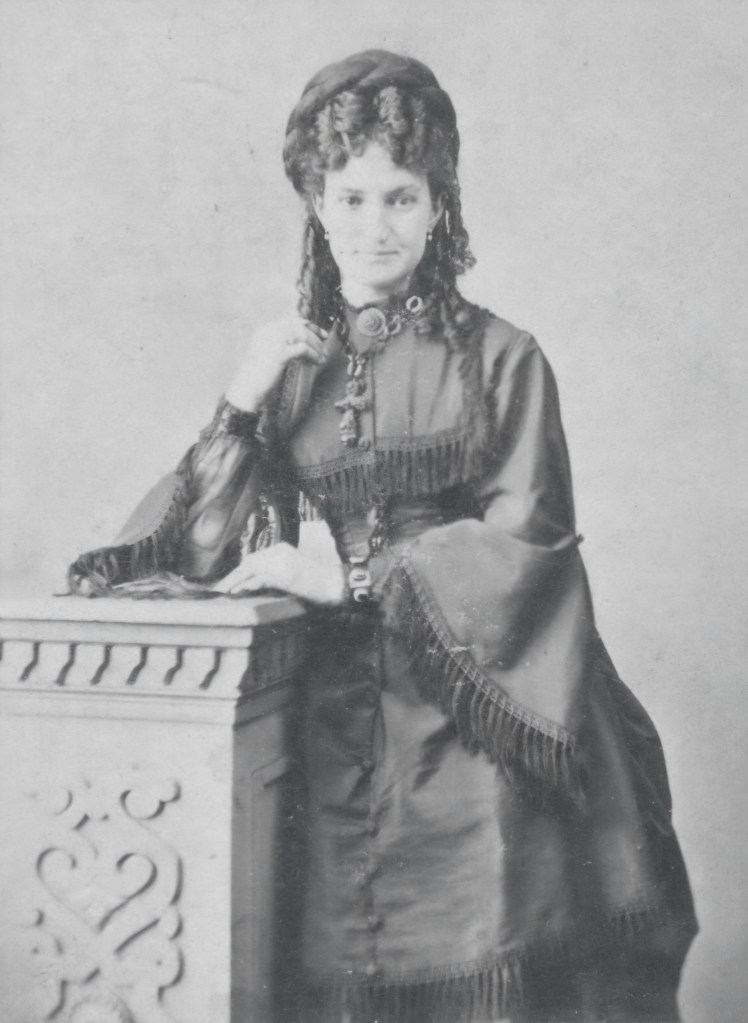
Christina Pretorius was by all accounts quite a woman. The farming town of Christiana in the North West Province was also named for her.
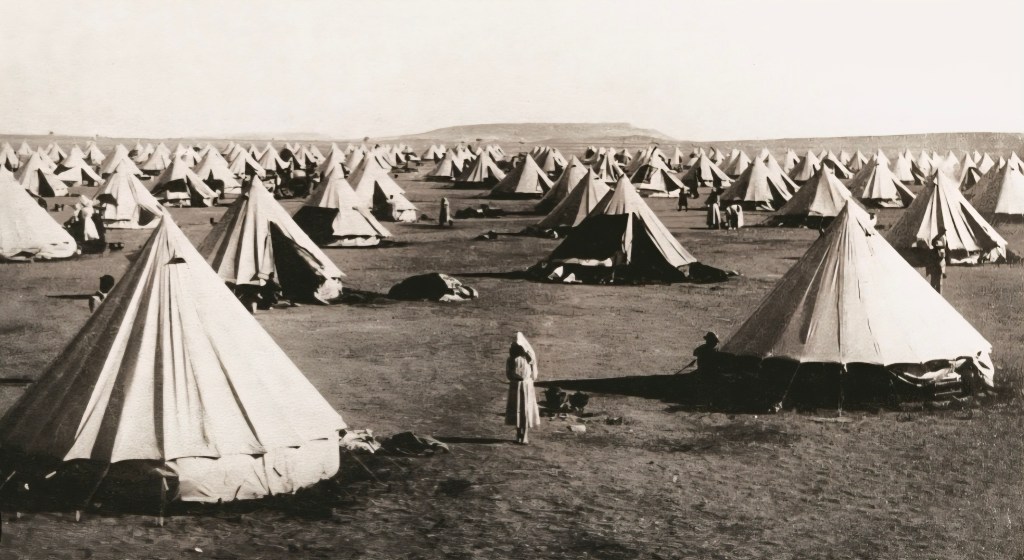
Boer women and children were imprisoned here.
She married Izak Meyer, and farmed near Potchefstroom. During the Anglo Boer War, they and their farm were a victim of Britain’s ‘scorched earth’ policy. After the farm was burnt to the ground, she and her children were sent to the Merebank Concentration Camp near Durban.
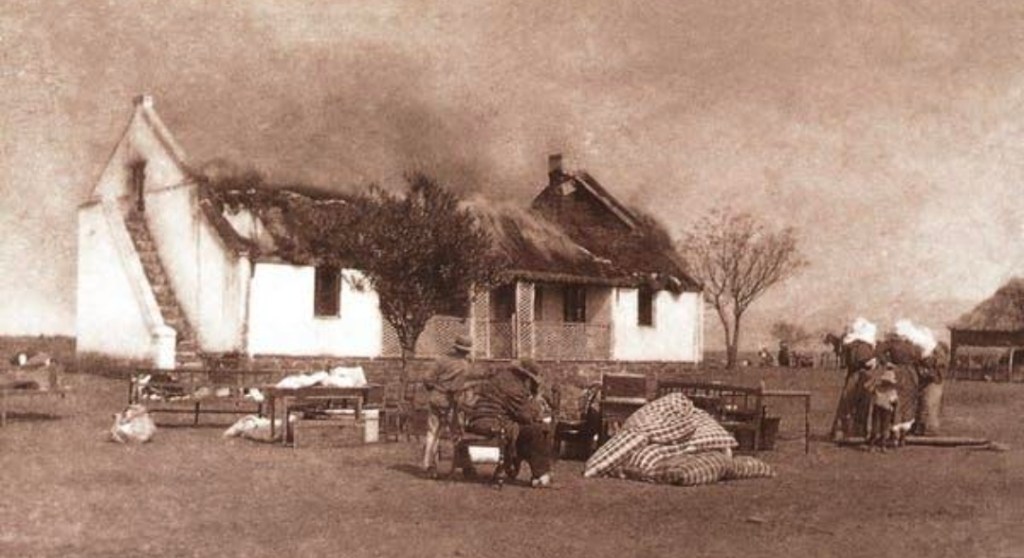
Anglo Boer War destroyed 100s of Boer homes and farms
Her father, the now ex-President of the Zuid Afrikaansche Republiek, could see that the Boers could not win the war against the mighty British, and tried to convince General Louis Botha to engage in talks. Botha refused. Shortly afterwards, Pretorius fell ill. Christina was allowed leave from the concentration camp to nurse him until his death. She died in 1925.
The area saw its own battles during the Anglo Boer War, and many deaths. Notable are the skirmish at Tevreden Pan in October 1900, and the Battle of Lake Chrissie in February 1901.
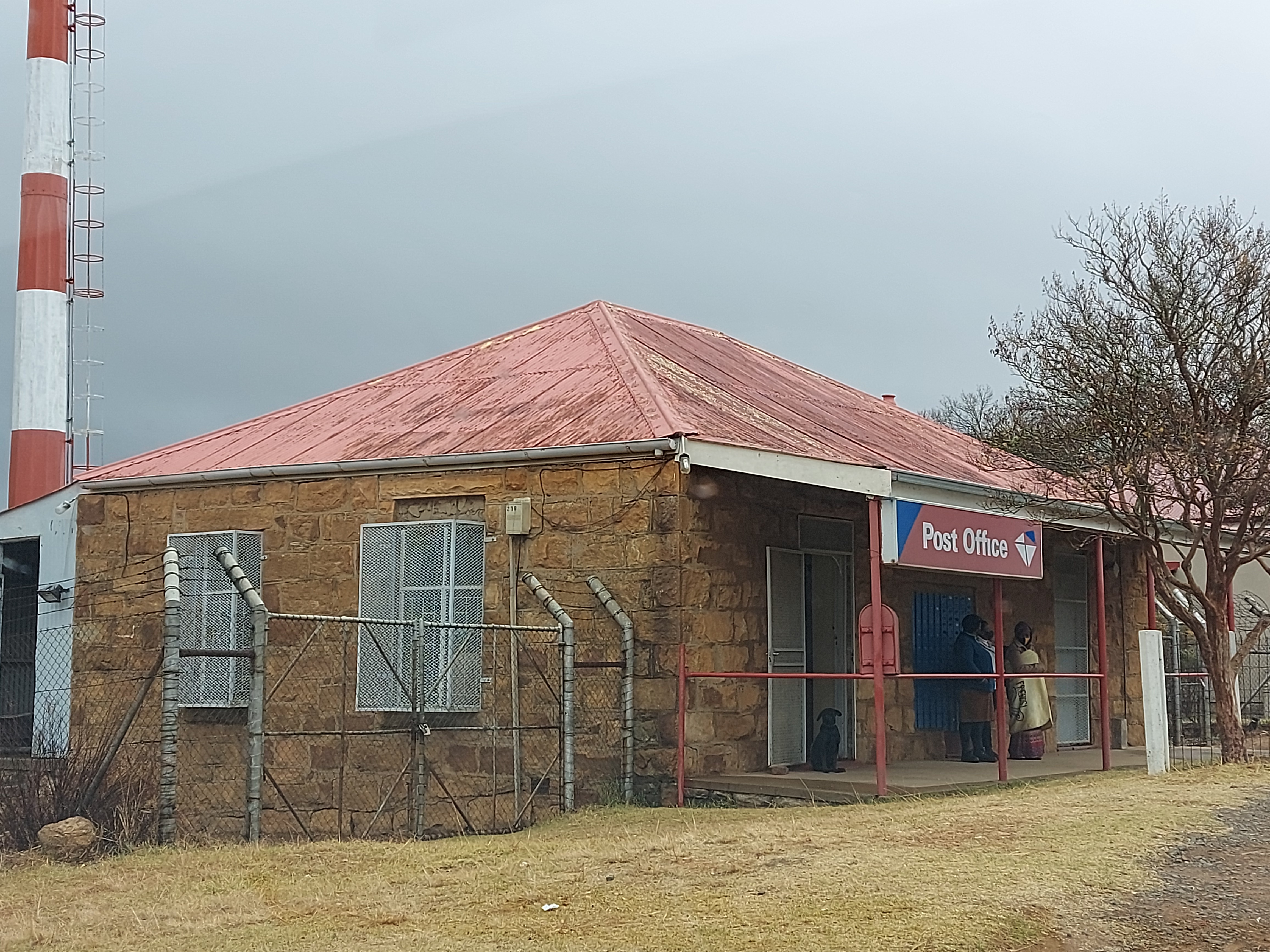
One soldier is remembered every year. After the war, for nearly 60 years, a bunch of dried Scottish heather would be delivered to the Lake Chrissie post office, with an anonymous note, asking that it be put on the grave of Lt Arthur William Swanston, who was killed at Tevreden Pan. Then in 1957, a longer note was received with the heather. It explained that the writer had been Swanston’s fiancée, and due to ill health, she would probably not be able to carry on with the tradition. The flowers stopped coming a few years later, but the annual tradition lives on. Every year fresh flowers are put on the grave by the community.
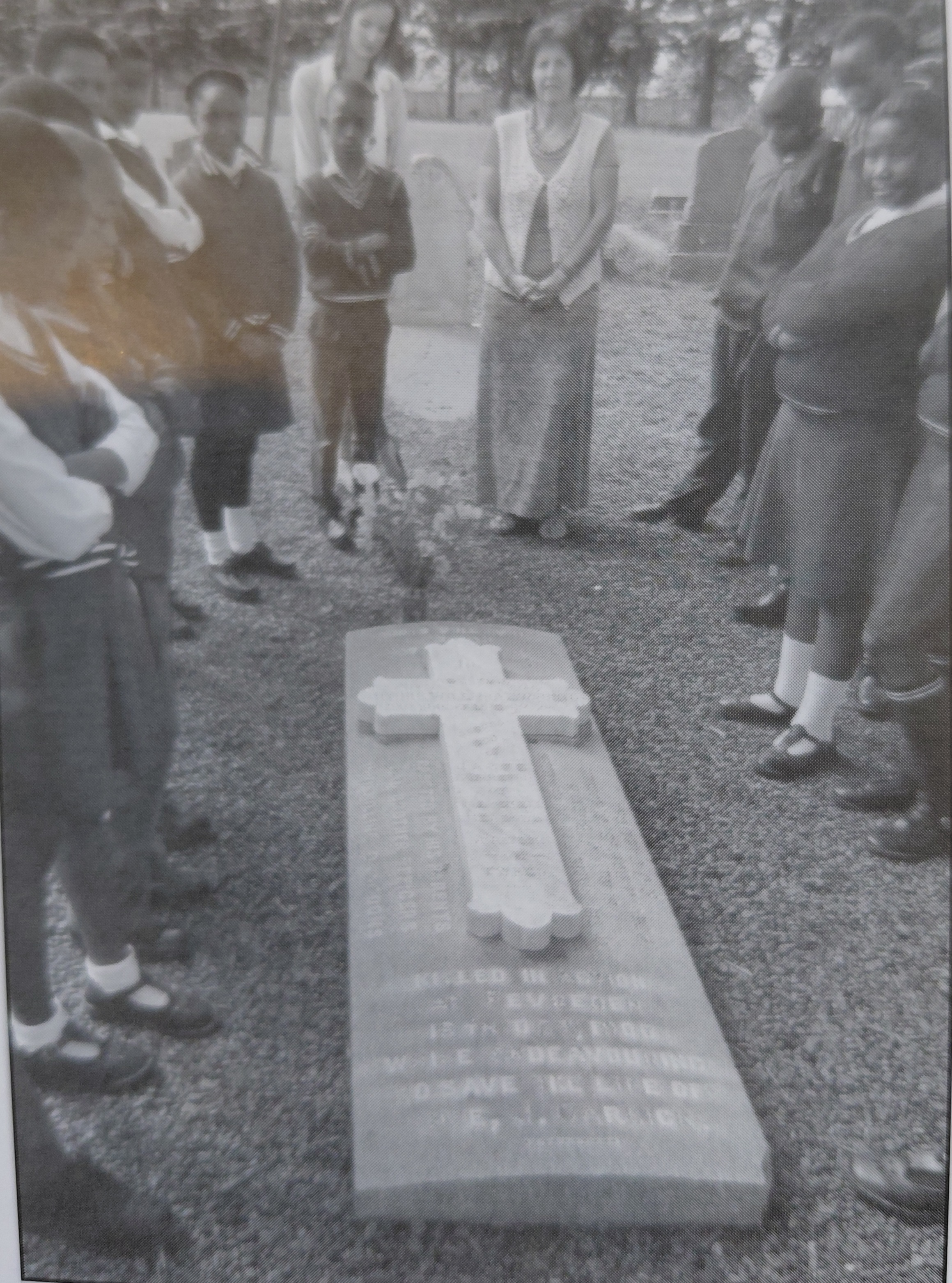
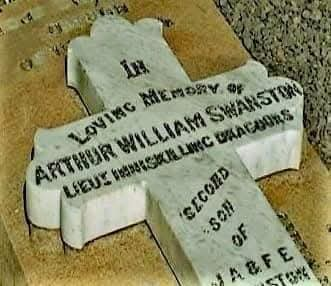
Lt Swanston’s grave has flowers placed on it every year by the community.
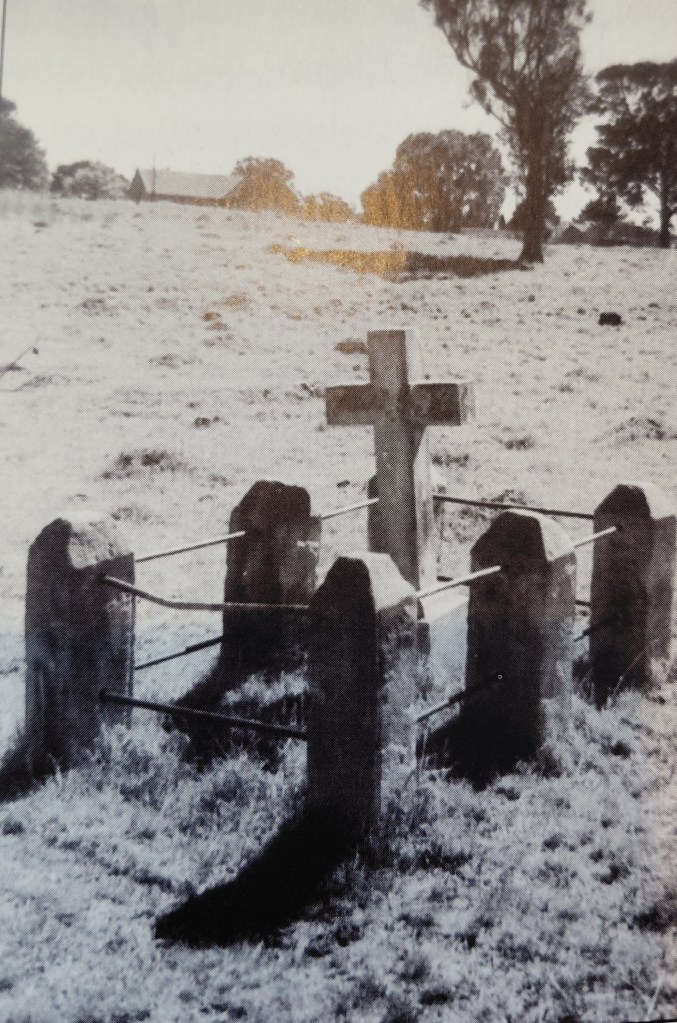
The area is home to historical cemeteries, where pioneers and soldiers are buried, but only one lonely little grave still stands where the original Chrissiesmeer town burial site was; next to the village commonage. It belongs to 1 year old Raymond Saner, known as the Little Fellow, who died on 11 June 1888.
Nowadays the area’s industries are farming and tourism. The quaint village, which has barely changed from what it looked like 100 years ago, attracts tourists who go to the area to relax, bird watch, to explore the fauna of the lakes, and to explore the history, which stretches way back to long before the Scottish arrived there, and includes the area being ceded by the Swazis to the Boers, the battles between the Swazis and the ‘Northern Bushmen’, and remnants of the earliest people, there, the Koni, known as the Bokoni Culture.
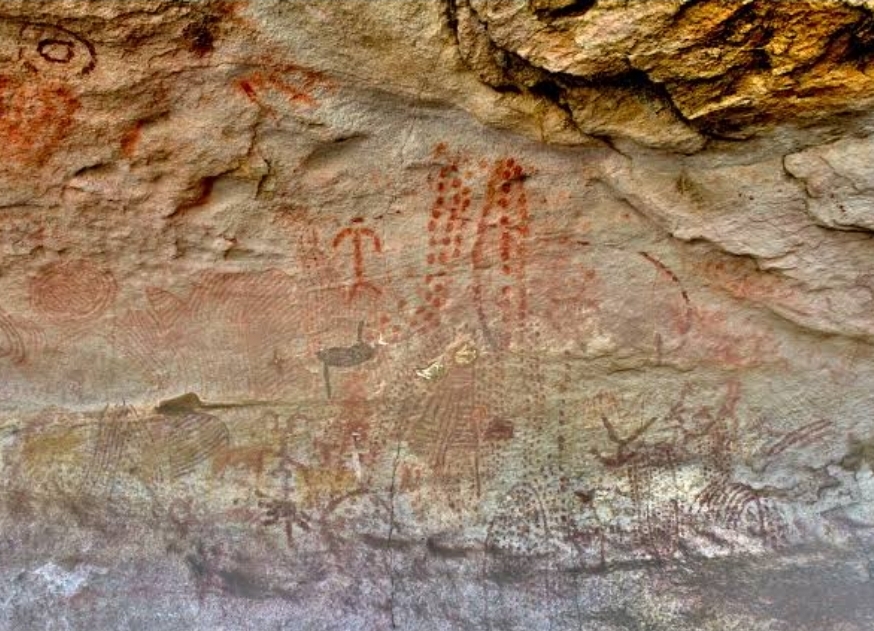
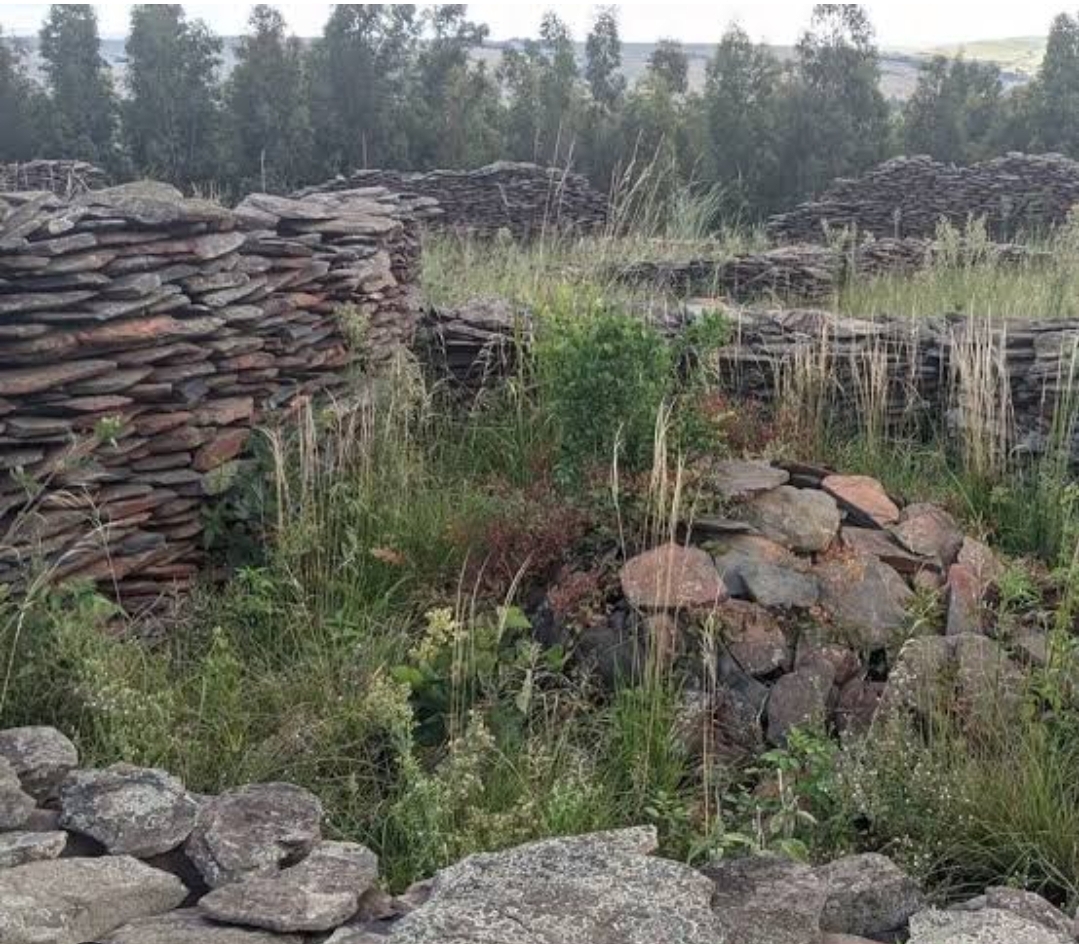
Left: Rock Art Right: Koni culture ruins.
A number of caves with Bushman Rock Art can be viewed, as can the cave where the McCorkindales lived before they built themselves a cottage.
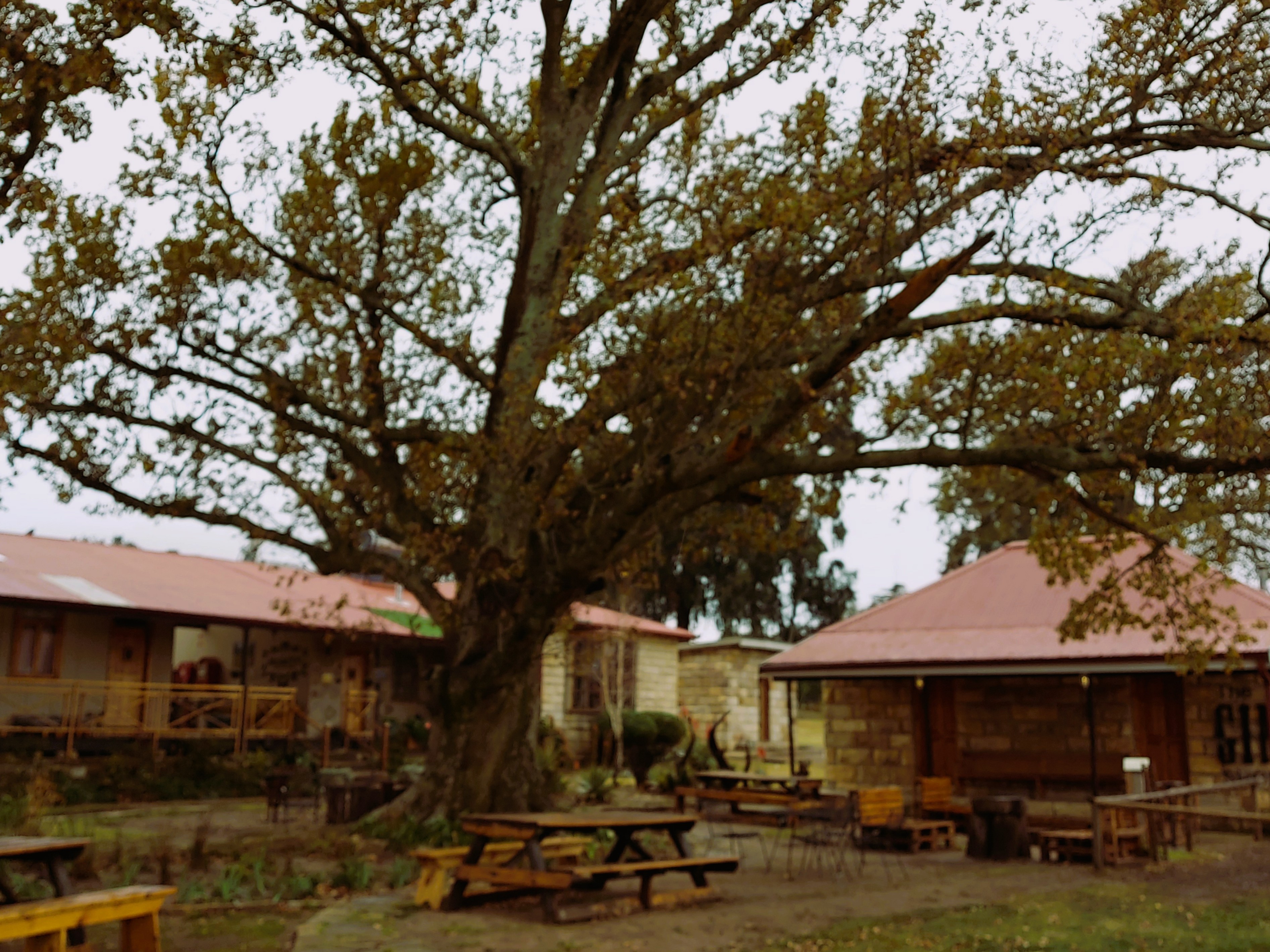
Accommodation is plentiful, with quaint sandstone buildings having been repurposed as guesthouses. I stayed in what was originally the old Barclays Bank building. The building on King Edward Street has a corner entrance, which I have always thought so elegant, complete with an enclosed fore entrance, before one steps into what is now the living room. Another popular guesthouse is what was the old jail house.
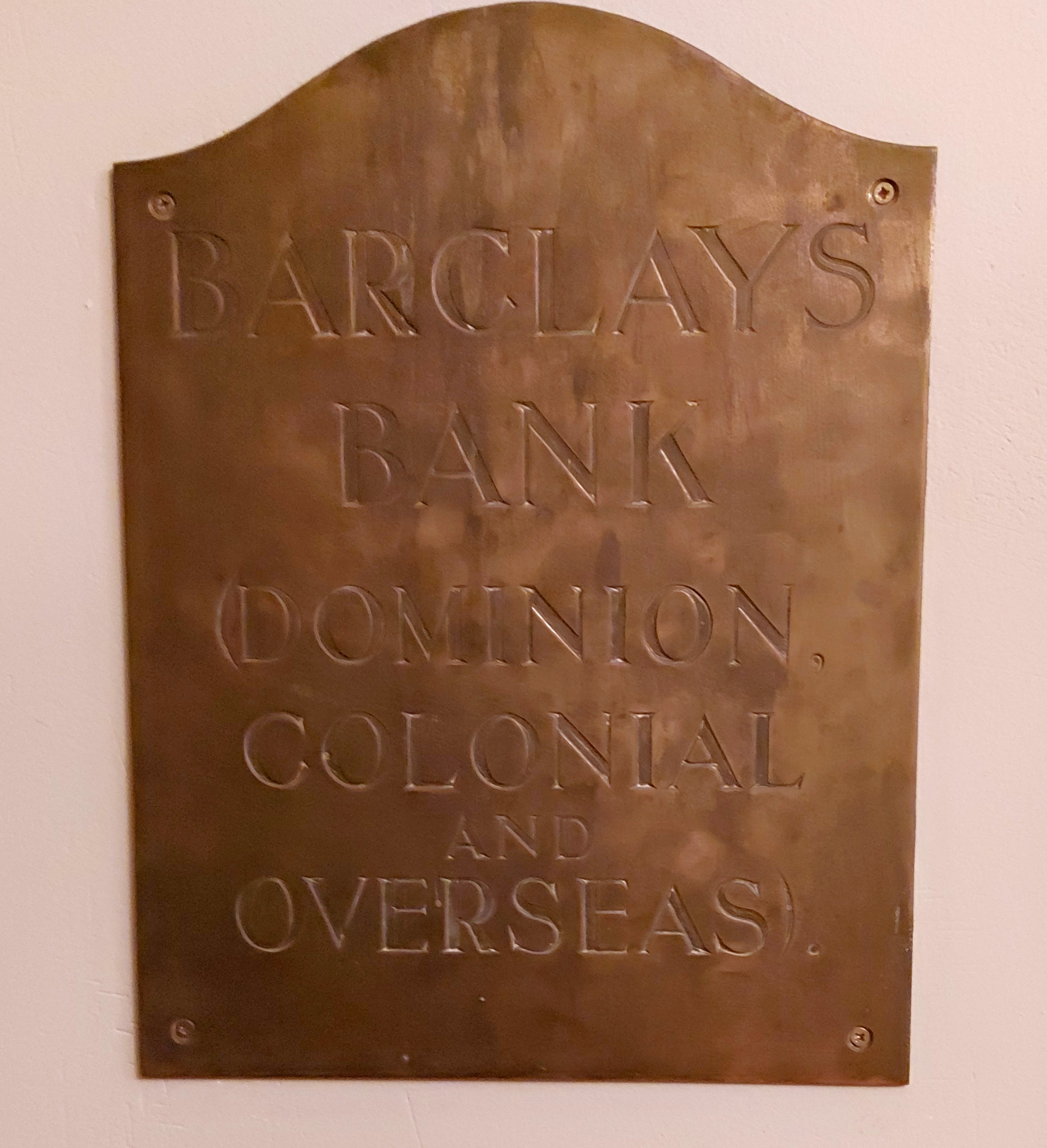
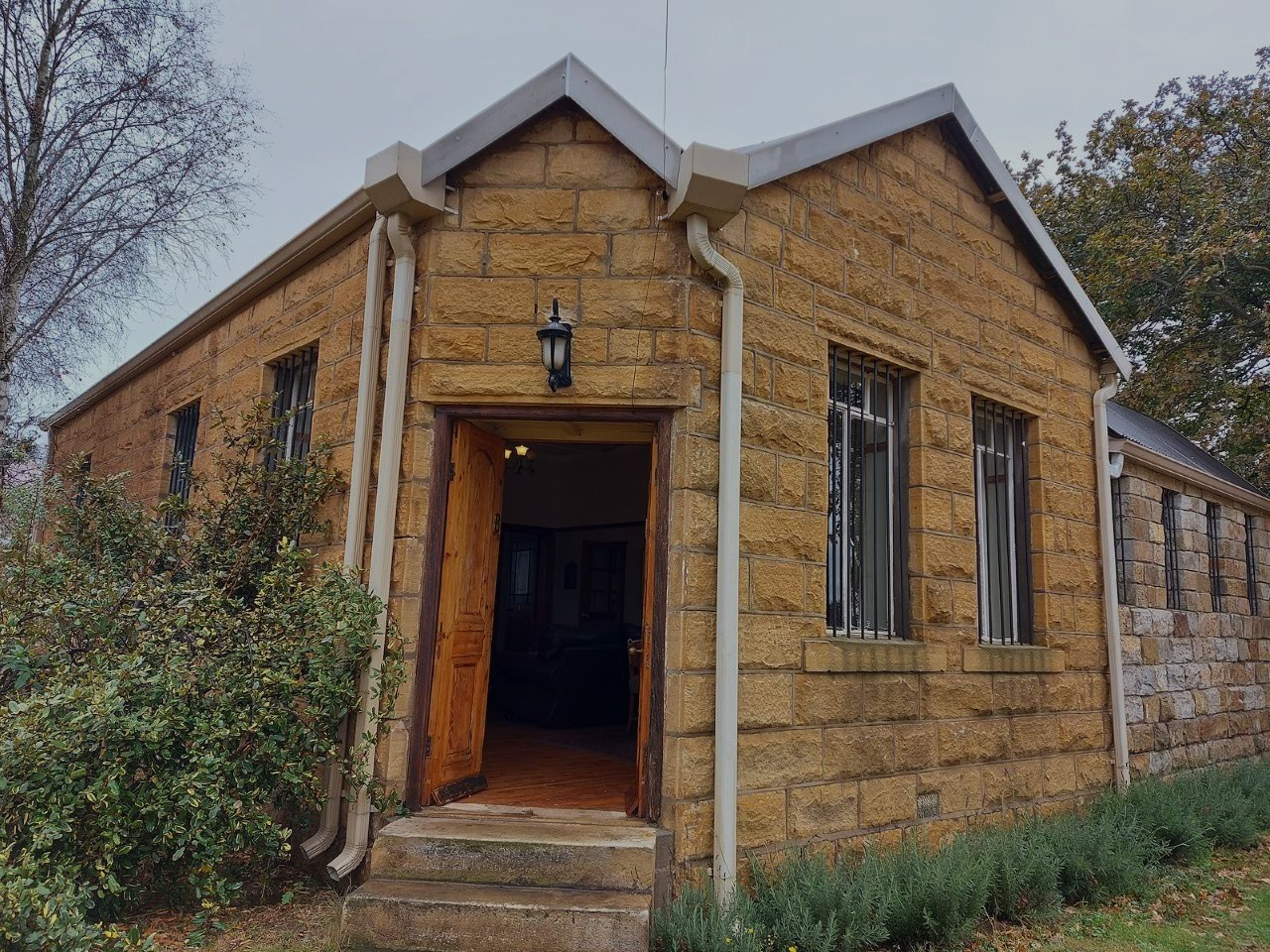
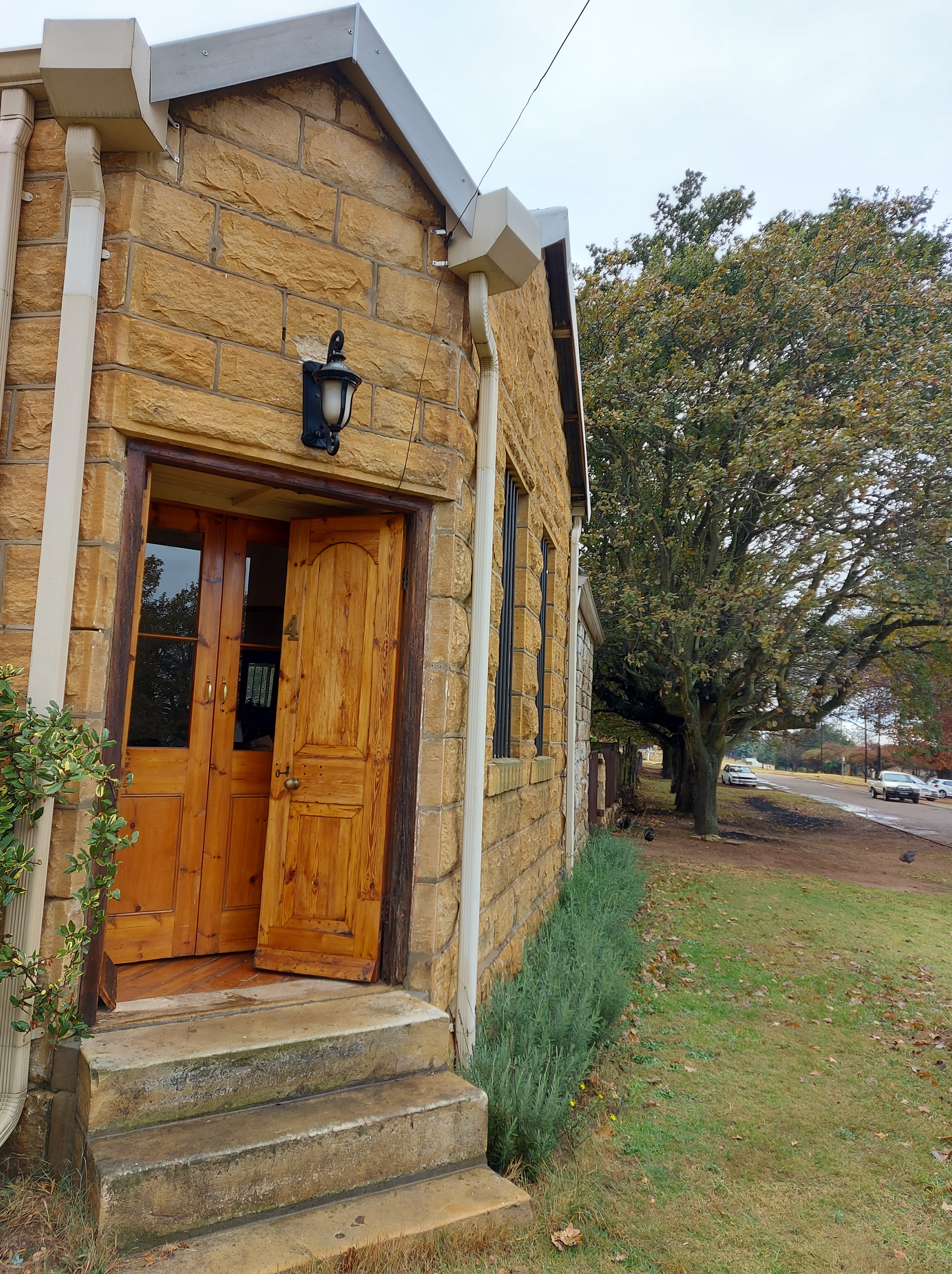
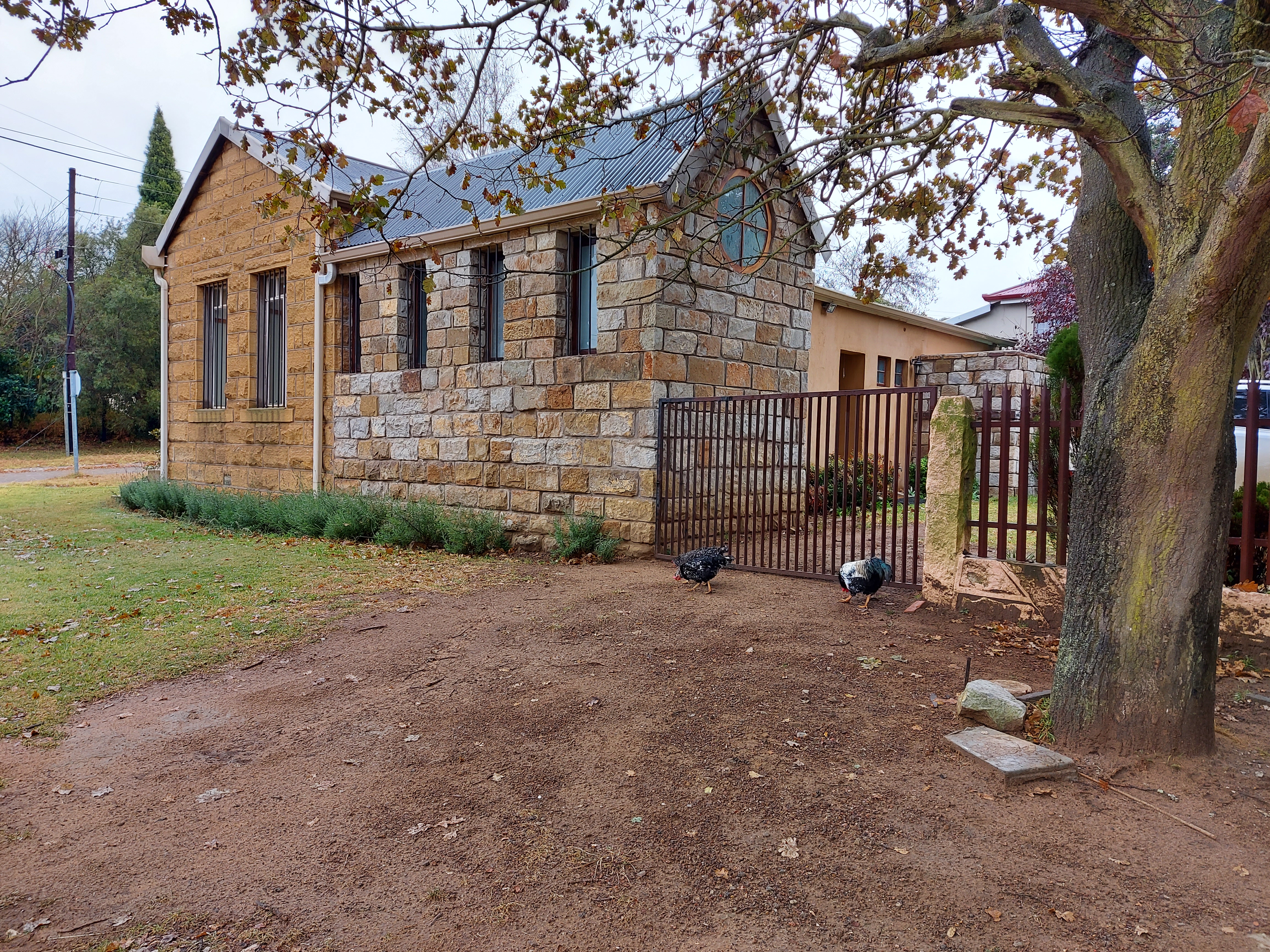
The old Barclays Bank building is now a guesthouse.
In its day, Chrissiesmeer had its own newspaper, the Lake Chrissie Chronicle, which was run entirely by Anthony Webb, who is remembered as being somewhat egotistical. Egotistical he may have been, but he was also seriously hardworking, and did everything, including the writing, typesetting, distribution, and was also the general floor sweeping office boy. One story which his paper followed, which became a treasure hunt and mystery, was of the 1912 robbery of the coach from Swaziland, carrying £2650.00 in gold coins (that would be about ZAR8 700 00.00 in today’s money), destined for Chrissiemeer’s Barclay’s Bank. Although the thieves were caught and sentenced, the coins were nowhere to be found. Then in 1936, farm workers found the cache, which was quickly exchanged for notes in the local shops. Naturally word got to the police, and eventually only £421.00 was returned to the bank.
The popular village pub, with its original name, the Billiard Room, was a favourite haunt of British soldiers during the Anglo Boer War. The Gin House, another original business, now makes and sells artisanal gins, a far cry from the original gin which was distilled there.
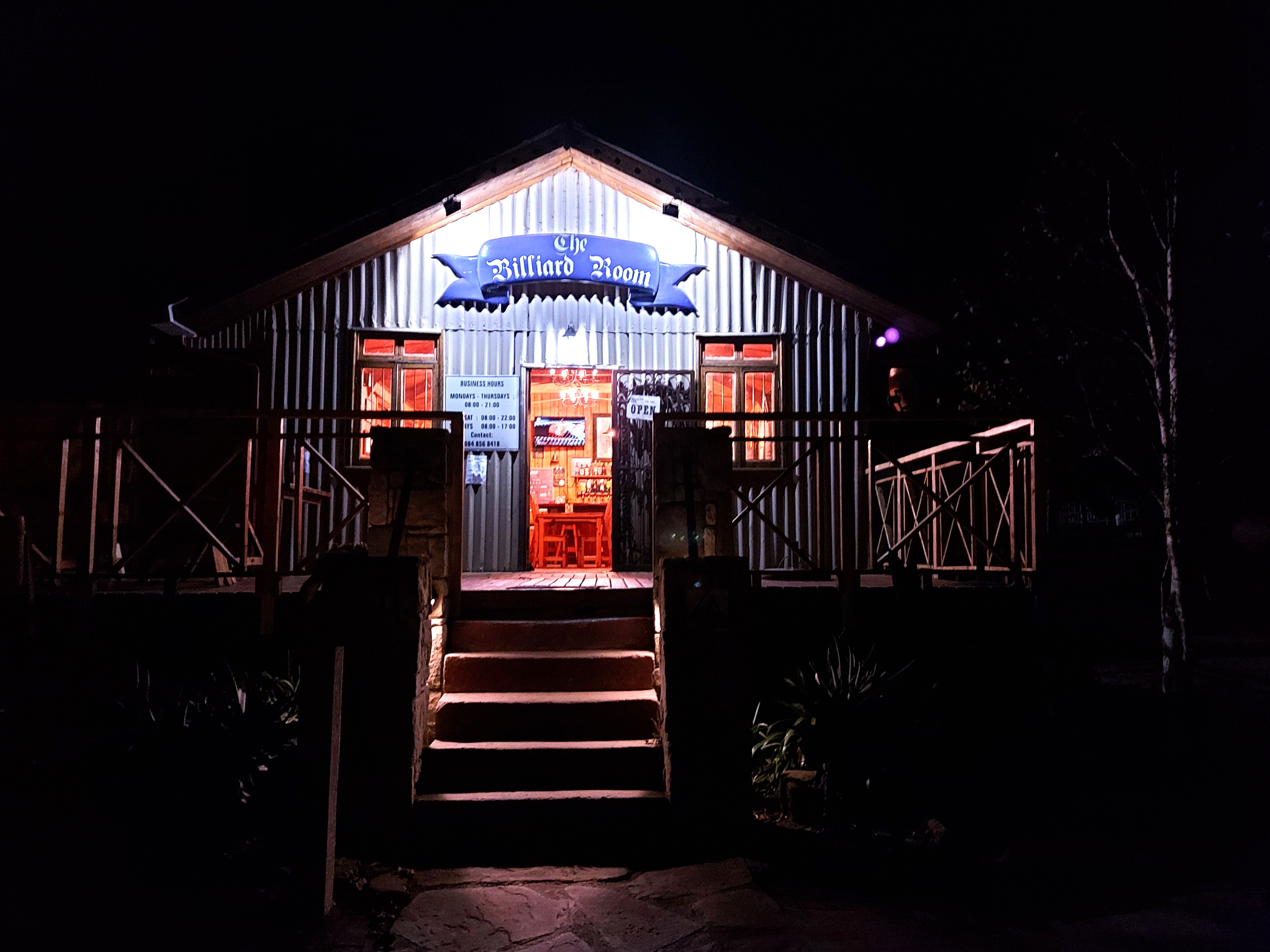
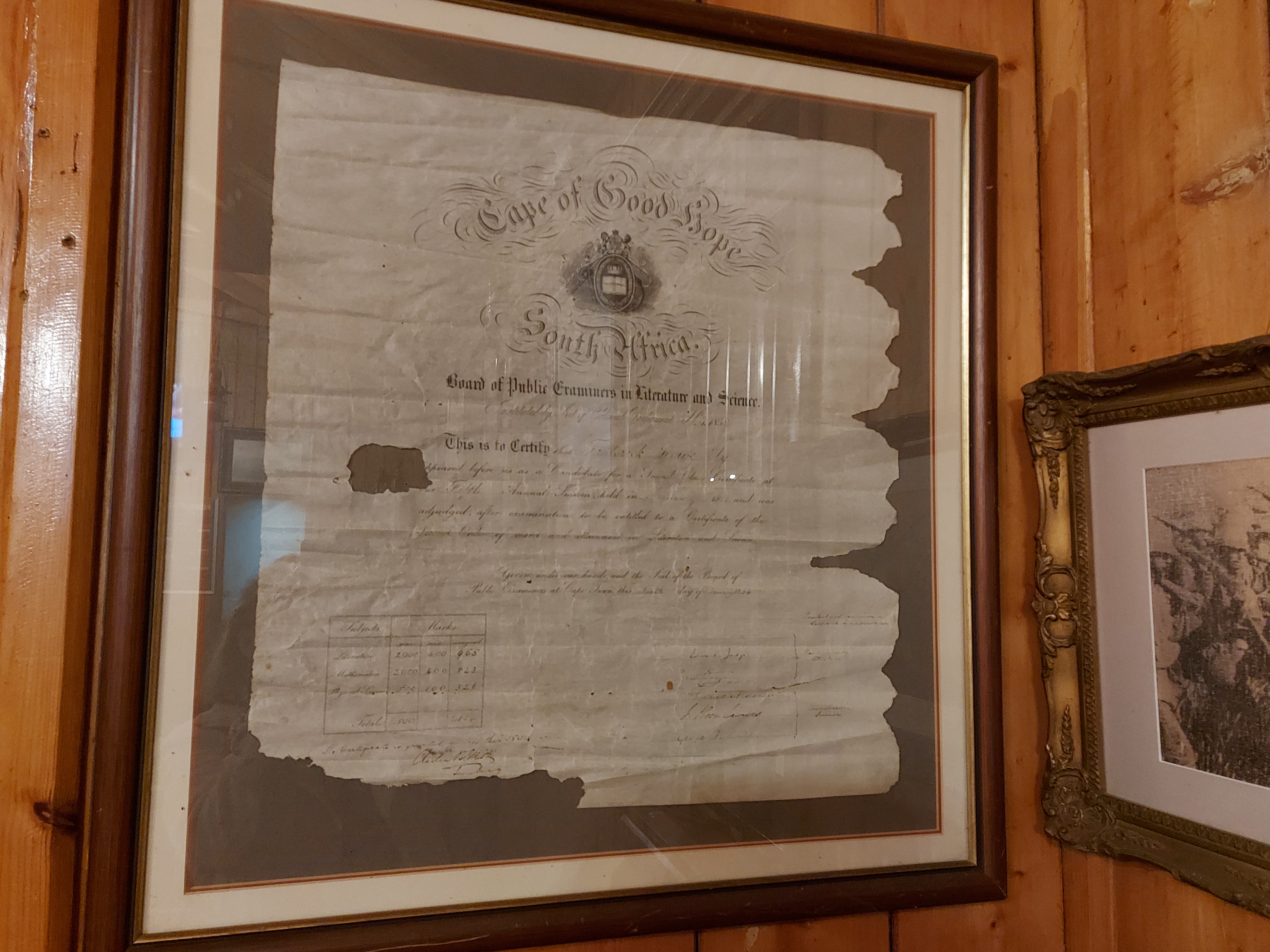
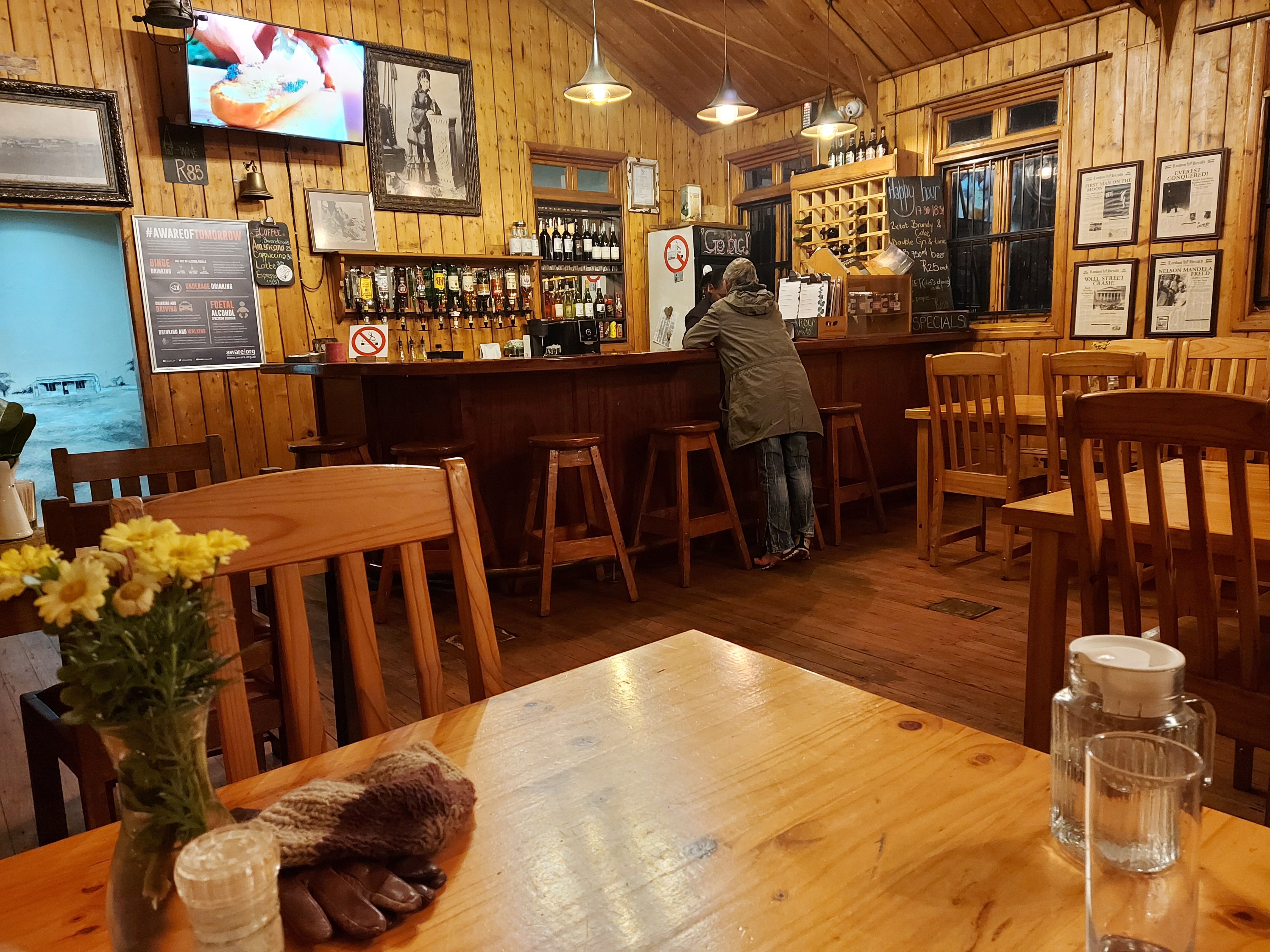
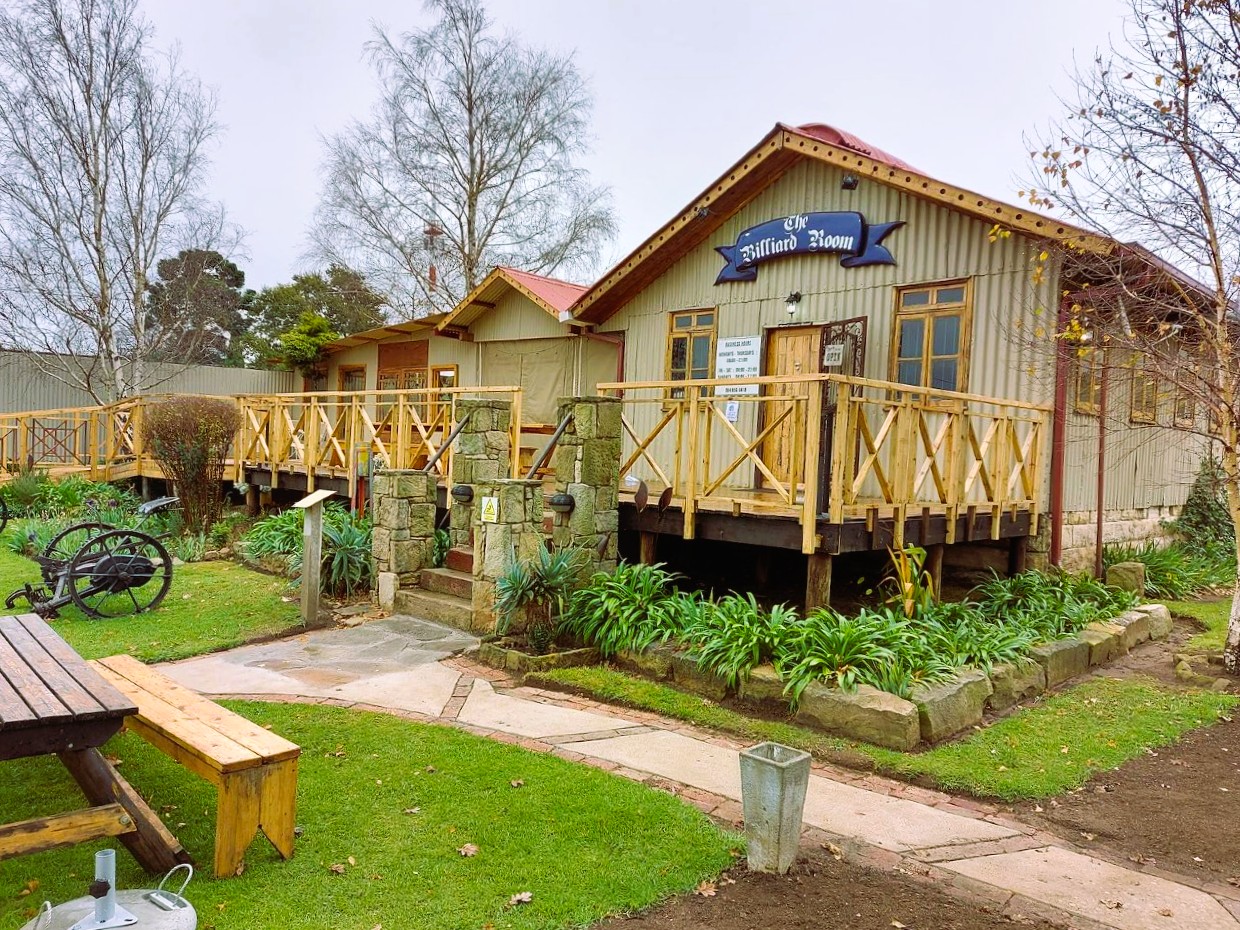
The historic Billiard Room is still a favourite pub.
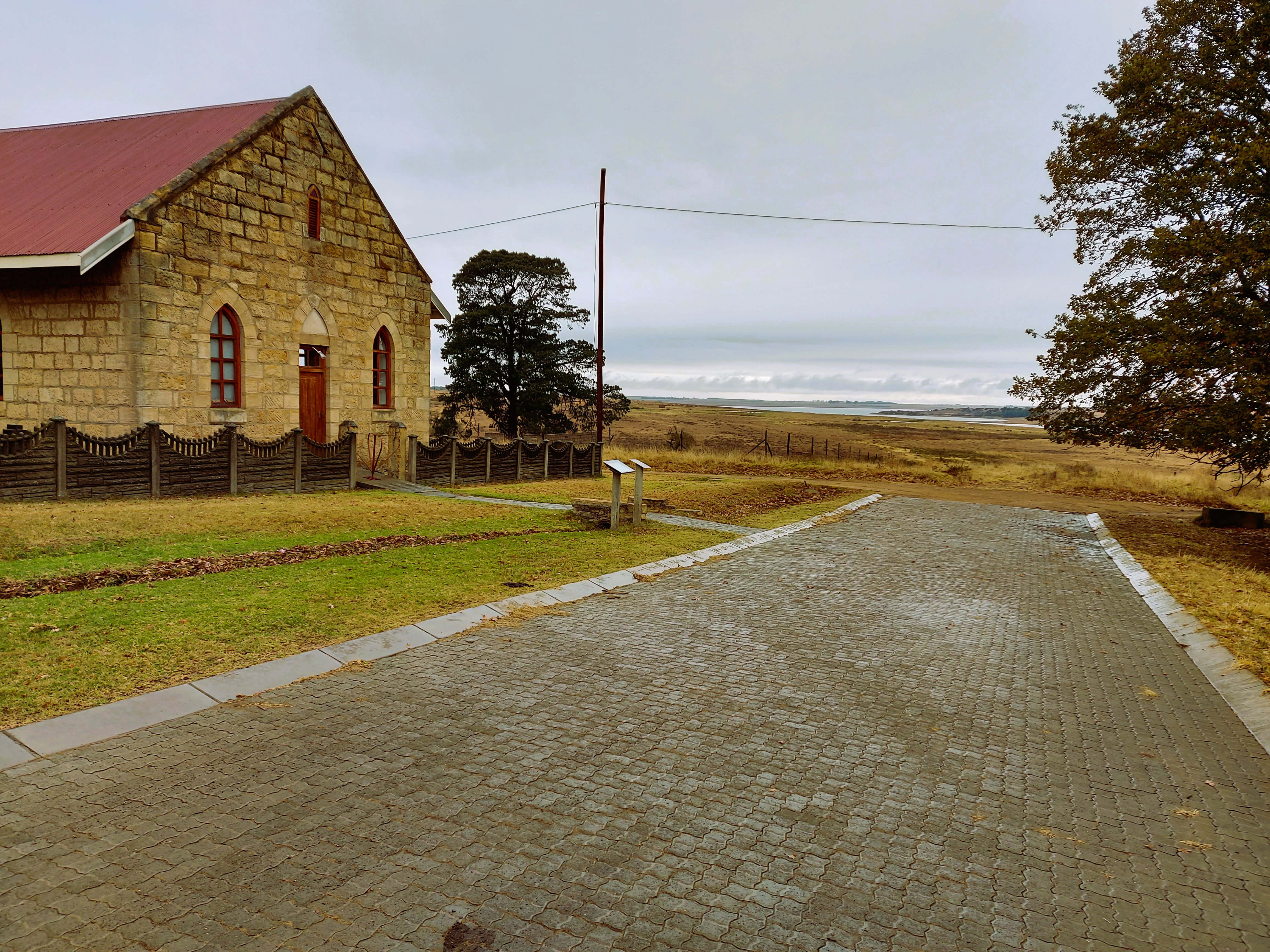
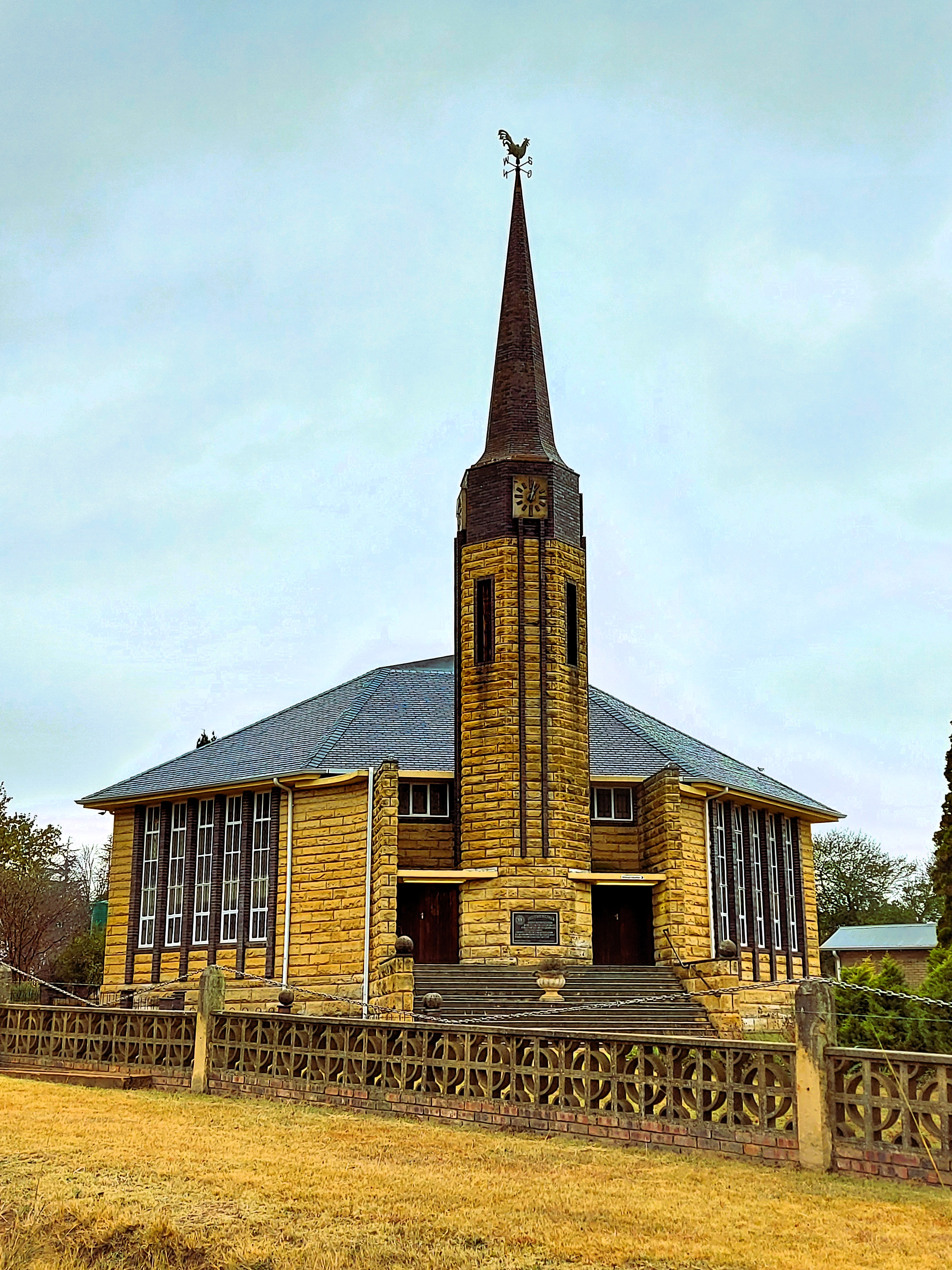
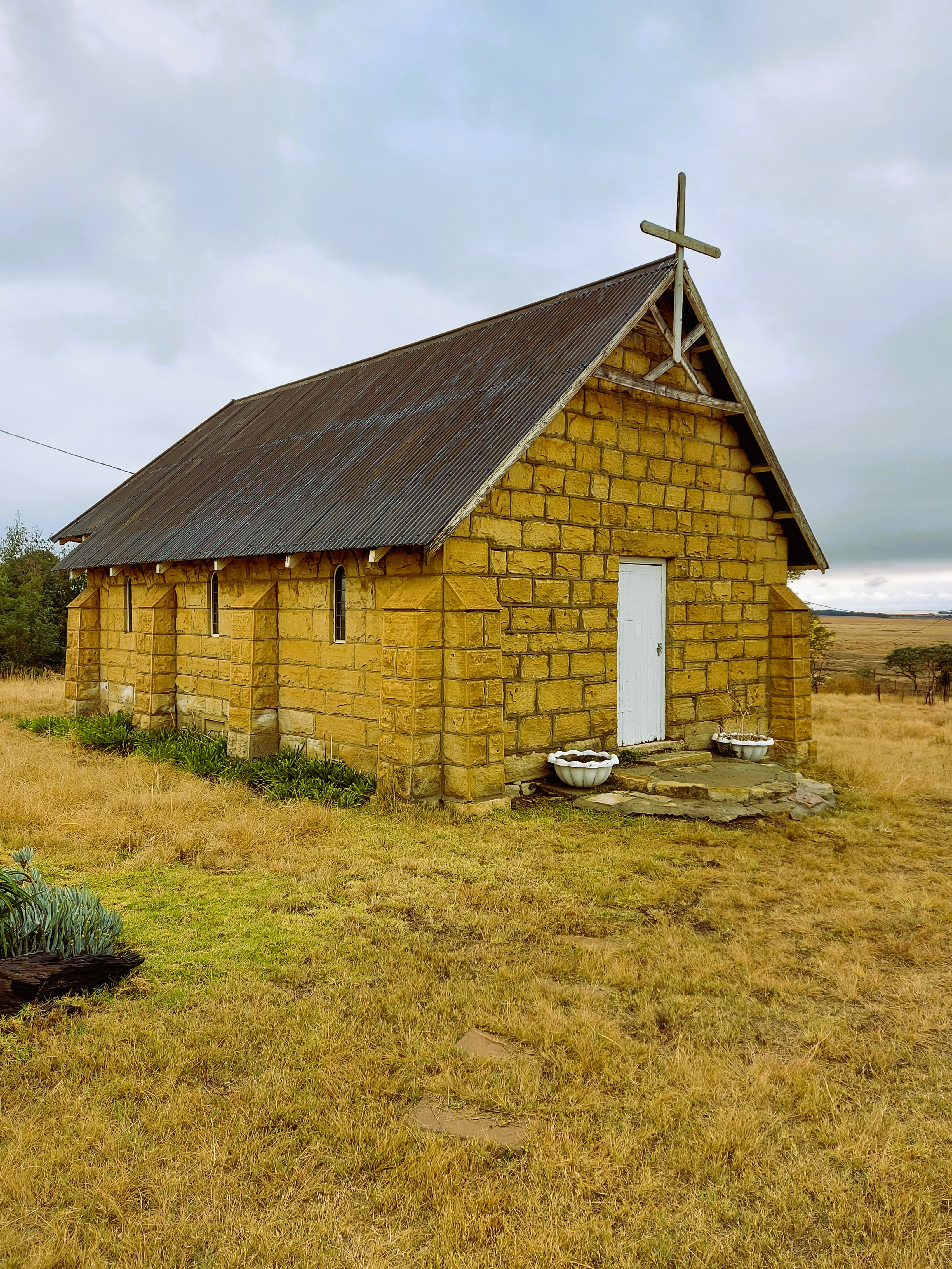
Tiny Chrissiesmeer has no less than four church buildings; the new NGK (Nederduitse Gereformeerde Kerk), the old Hervormde NG Kerk, a little building which was the Methodist church, and the oh so pretty little Anglican Church.
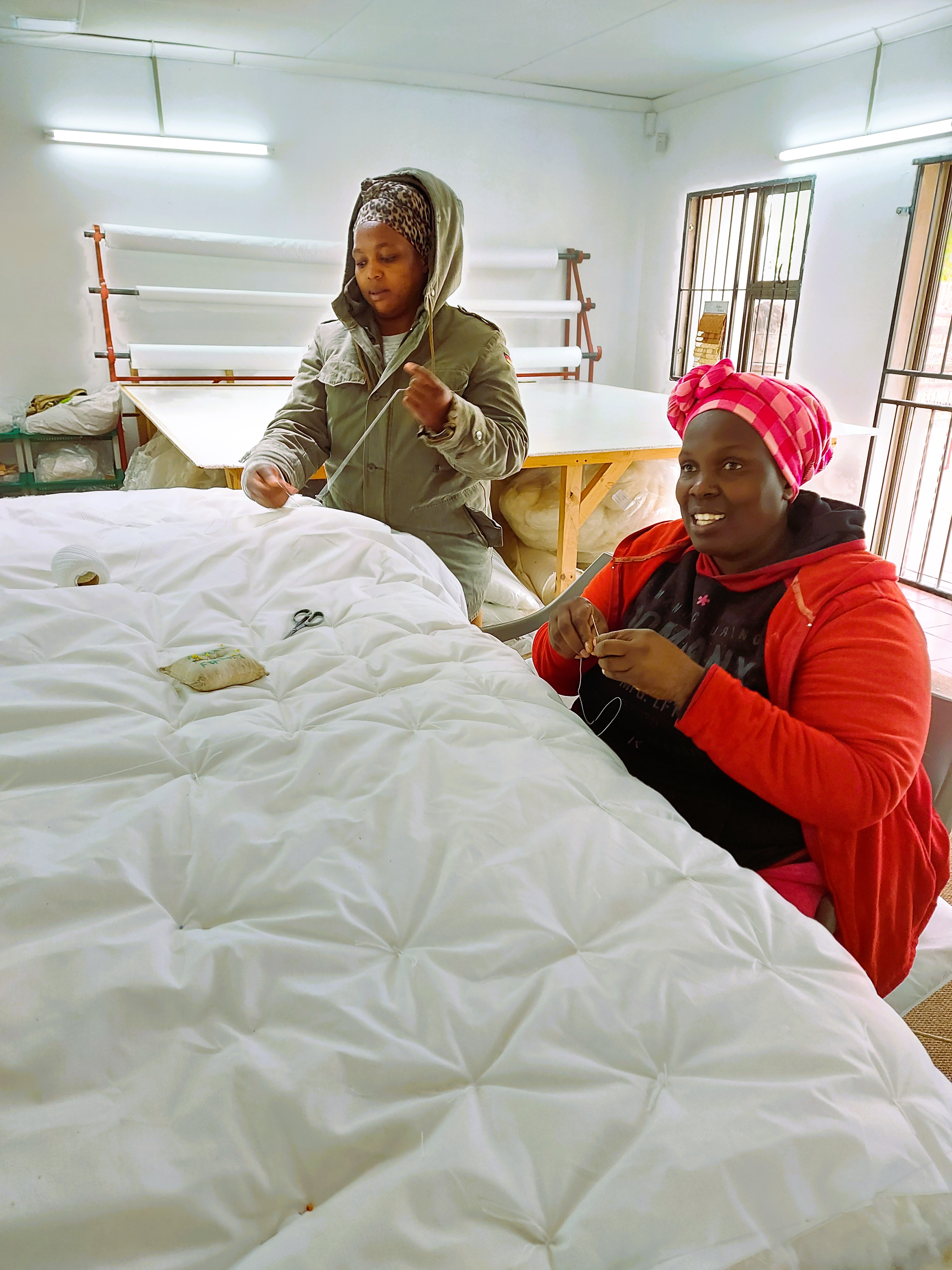
Not to be missed, while you’re in Chrissiesmeer, don’t miss the shops, especially the wool Shop, which specializes in manufacturing the most luxurious woollen duvets.
Chrissiesmeer is in Mpumalanga, and can be reached from Carolina (note: according to the road signs, all roads in the area lead to Carolina, so choose your route carefully!), Warburton or Ermelo.
at the Old Stables in
Chrissiesmeer.


